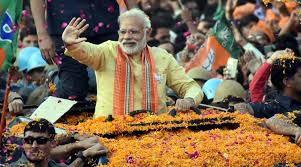
Assembly Elections in UP,UK,PUJ,MAN & GOA.


This election was really historic and unprecedented and a kind of litmus test for India’s Prime Minister Narendra Modi just after the bold as well as adventurous decisions of ” demonetization” and “surgical strikes” taken by him. Both decisions were taken for political as well as strategic motives. In fact, he tried to play a gamble through which now he is reaping benefits in the form of Bhartiya Janta Party(BJP)’s win in various elections across the country. Here, I will try to analyze the trends and results of the recent assembly elections in five states, which ride on Modi wave to bring about the substantive electoral mandate and established BJP as a dominant party in the Indian Political System.

Highlights of the Assembly Elections: 

  • A clean sweep in states of UTTAR PRADESH and UTTARAKHAND. It was an unprecedented result in both states providing a three-fourths majority.
  • The first time, BJP got a good mandate another North eastern state MANIPUR after making government in Assam.
  • In GOA, it was a fractured mandate. However, BJP acted swiftly and made the government in Goa by sending Manohar Parikar from Center to the state of Goa.
  • The State of PUNJAB has emerged as a ray of hope for a grand old party the congress. It has given a favorable as well as majority mandate to Congress in the state in the leadership of Amarinder Singh.

The significance of these Assembly Elections:

  • These elections were really significant not only in the present context but also as an indicator for the upcoming General Elections in 2019.
  • The elections in the most populous state of India was really important because it is generally said that UP decides about the power politics at Center and acts as a kingmaker.
  • These elections were also significant in the light of economic policies as well as economic reform in the coming times.

How to read the outcome of these elections and especially the outcome in UP and UK?:

  • Is BJP going to establish the ” Second Dominant Party System”?
  • Is Modi now the most popular leader of the country?
  • Is BJP led by Modi and Amit Shah going to form the government again after the 2019 General Election?
  • Can BJP fulfill the high expectations of the people of these states?
  • Should Yogi Adaityanath the Chief Minister of UP be looked as a symbol of Hindutva or a new face to deliver the BJP’s agenda of ” Sabka Sath, Sabka Vikas”?
  • Is the ” muscular nationalism” going to stay in the lives of Indian people?
  • What is the future of Indian National Congress earlier dominant national party of the country?
  • What is the future of regional political parties as well as identity-based political parties?

My analysis of the recent Assembly Elections:

  • BJP has emerged as a strong force to reckon with and it is going to dominate the political scene of the country for at least a decade.
  • Mr. Modi is now a pan-India face of BJP and a popular leader.
  • Congress has to work hard to clear the mess in its house.
  • Rahul Gandhi needs more exposure and experience to understand the intricacies and dynamics of Indian politics.
  • Regional parties like SP and BSP need to think of broader perspective. They should come out with their single agenda of promoting their family and thriving on bad guys.
  • This result is celebrated by the winning parties like anything but they need to understand that people have a lot of expectations which must be fulfilled. Otherwise, Indian people are very smart politically in choosing their leaders.


Analysis of Maternity Benefit Bill

Recently, Parliament has cleared the Maternity Benefit Bill to extend the period of paid maternity leave for women working in the organized sector to 26 weeks from the current 12. It applies to all organizations that employ 10 or more people. This bill is a path breaking step by the government of India to address the maternity and post-maternity child care of the working women. It has several good features:

  • Facilitates work from home.
  • Mandatory provision for a creche for factories with at least 50 workers.
  • Maternity benefits will also be provided to the ‘commissioning mothers’ as well as those who adopt a child below three months.
  • It will also help in breastfeeding the newborn child and create enough conditions to address the problem of child malnutrition.

By enacting this act, India has become the third country in the world after Canada and Norway to provide for long maternity leave. It is a really great step which will also increase female labor force participation in the country.  However, I want to emphasize on other issues:

Is child-rearing the only responsibility of women? What about men/ paternity leave?

India is a patriarchal society where men hold the position of power and decision-makers. Child-rearing and child care are considered as the responsibility of women and their primary goal of life. And even if, women are working, she has to bear the double responsibility of ‘doing the job’ as well as ‘ taking care of the house and children’. As per one study of the Union Labour Ministry and Women & Child Development Ministry, longer maternity leave will increase the burden of childcare for women. Not only this, but it will also lead to some kind of bias by employers against hiring women and will make it difficult for mothers to re-enter the labor market. Childcare leave seems to legitimize the father’s absence from caregiving and institutionalize female care.

The solution can be providing parent leave meaning giving leave to both mother and father. Because rearing the child is the responsibility of both, not one parent. The 26 weeks of leave can be divided between the mother and father of the expected child. It not only reduces the burden on the mother but also provides flexibility to the employer.

How the women who work in the unorganized sector will get the benefit? 

Indian economy is dominated by the unorganized sector. A large number of women work in the unorganized sector. The maternity bill will only cover 1.8 million working women in the country. What will happen to those women who work in the unorganized sector? They are low paid and mostly work in tiring situations. They will not be able to avail of the benefit of the above maternity benefit. They can only avail conditional cash benefit of INR 6000 during pregnancy and lactation benefits offered under the Maternity Benefits Programme. But that is not enough for the holistic development of the child and mother.

Why not make some universal provision regarding health and insurance for women. There are some benefits provided to poor women. However, there is a need to make it universal so that every woman in the country can get enough benefits and health facilities to take care of their child. It will not only reduce the burden of Infant mortality (IMR) and maternal mortality (MMR) but also help in effectively developing our human resources. Universalizing health, insurance, and education will help in reaping the potential of most talked ” demographic dividend” of the country. Recently launched, National Health Policy 2017 is a step in the right direction. However, there is a long way to go change the ground level situations.

My experiences with Sehgal Foundation

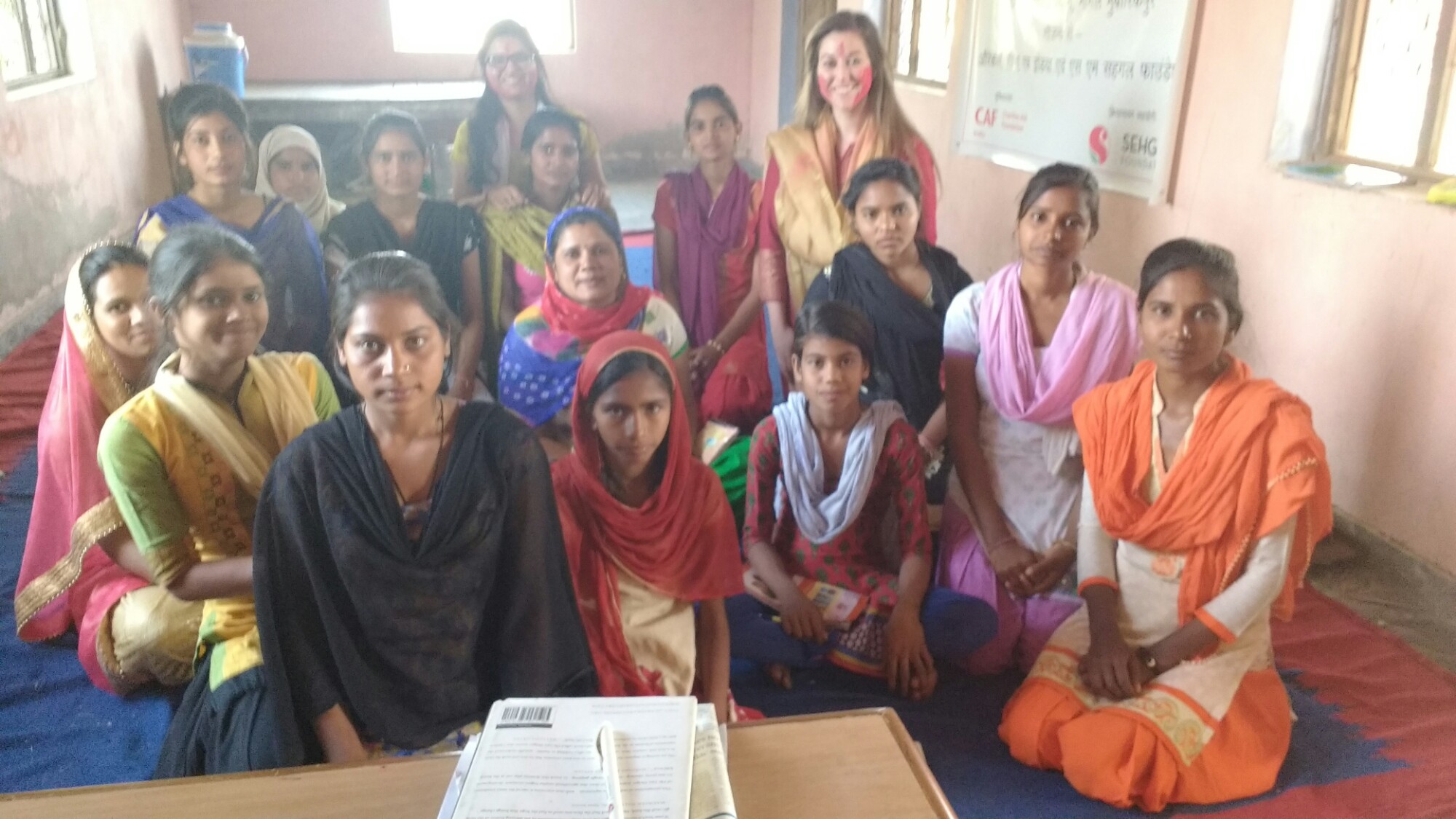
I got an opportunity to work with the Sehgal Foundation for a small assignment. During this assignment, I visited some villages in Mewat(Nuh) district along with Crystal Harris. She had come from the State of Iowa, United States. She belongs to the World Food Prize organization. We both started the day with the celebration of womanhood on International Women’s Day. The day was full of celebration and enjoyment. Many Panchayat members, field workers, and other staff presented their views on women’s issues. We heard many success stories. Women and girls from villages were excited to share their experiences. The topics were related to the issues of women’s empowerment. The theme of the Women’s Day event was to change the mindset ( Nazariya) of everyone towards womenfolk. It was a wonderful day listening to the experiences of the grassroots workers.

EXPERIENCE AT COMMUNITY RADIO CENTER ( ALFAZ-E-MEWAT)

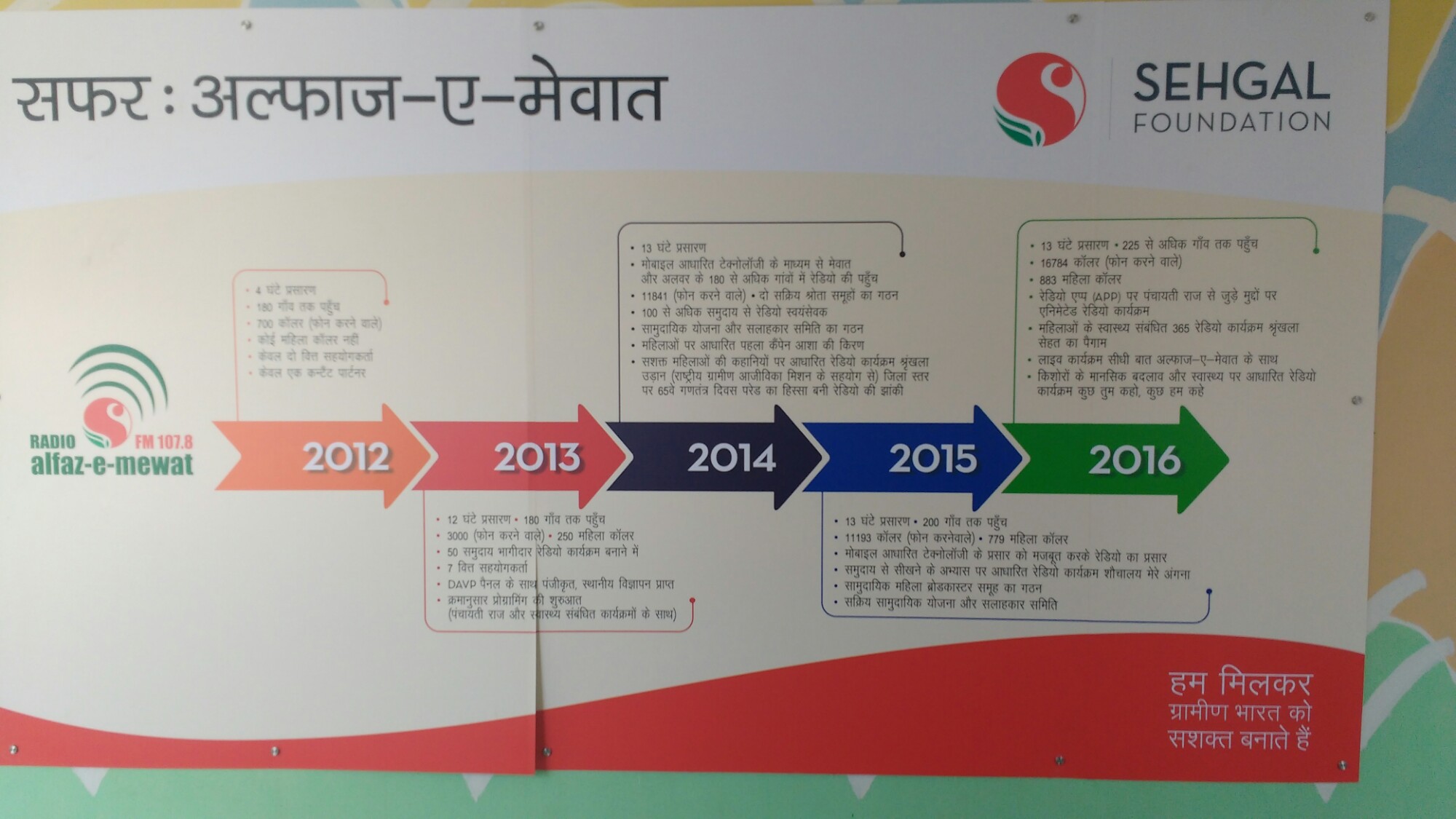
Community Radio Center is a unique initiative by the Sehgal Foundation in collaboration with the Government of India. It has given voice to the people of the region. It has created a phenomenon of the community-led development process. We visited the community radio center at the Ghaghas village in Mewat district. It was an amazing experience talking to people who are responsible for coordinating the activities at the center. Definitely, the community radio center has become a platform for villagers to discuss their problems and social issues. Many children participated in various activities. They also discussed issues that are generally considered taboo in our society. Not only this, as per one newspaper report, community radio has also helped people in the villages during the demonetization period.

I had the opportunity to record a live show on the radio regarding exam fever. How not to be stressed during the examination. I recorded my voice first time on a radio and it was such an amazing feeling. I told the children to stay calm during the examination. They only need to revise things when exams are near. There is no need to read new things. Students should take proper sleep before going for an examination.

TEACHING AT DIGITAL LITERACY CLASS

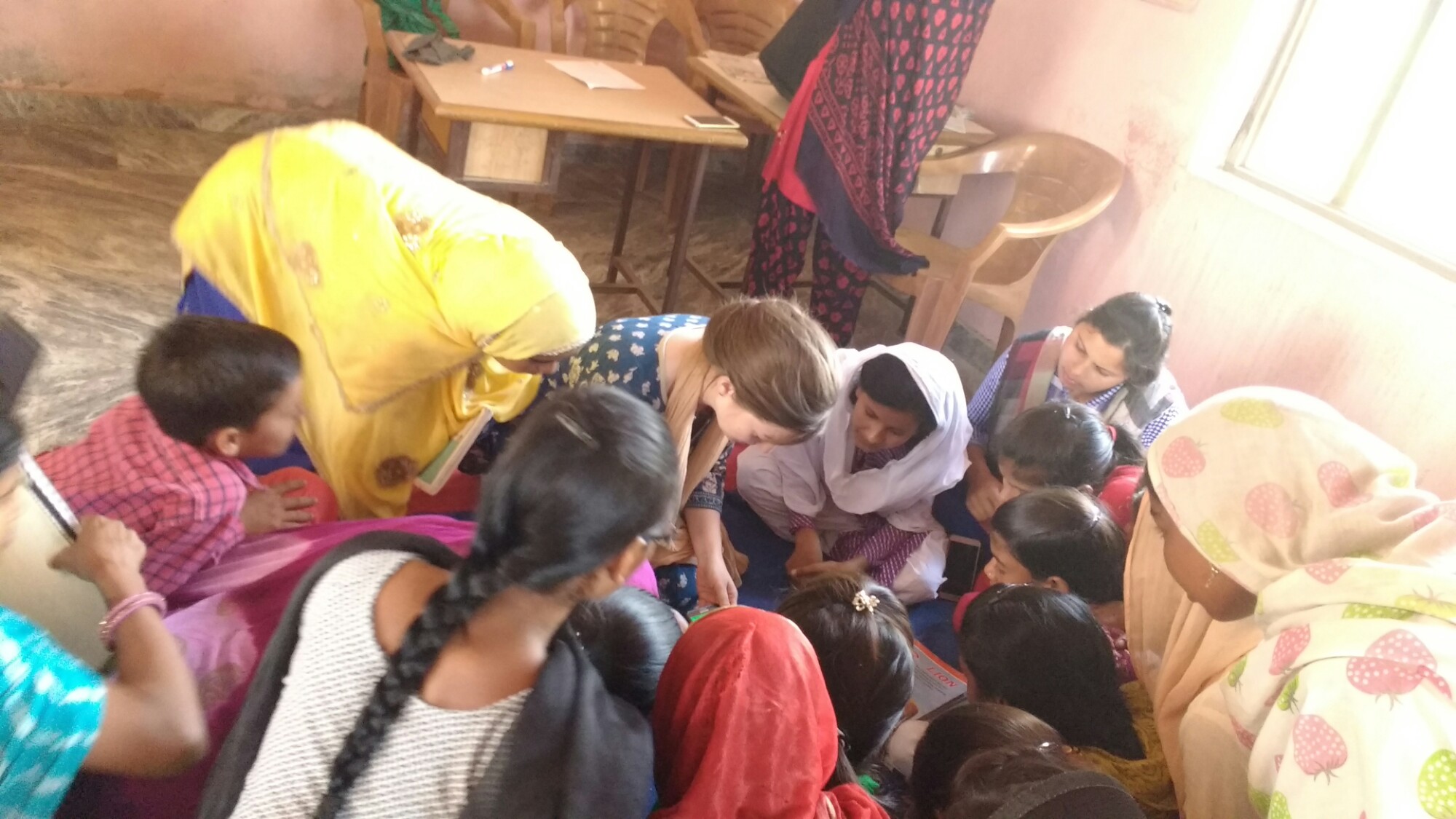
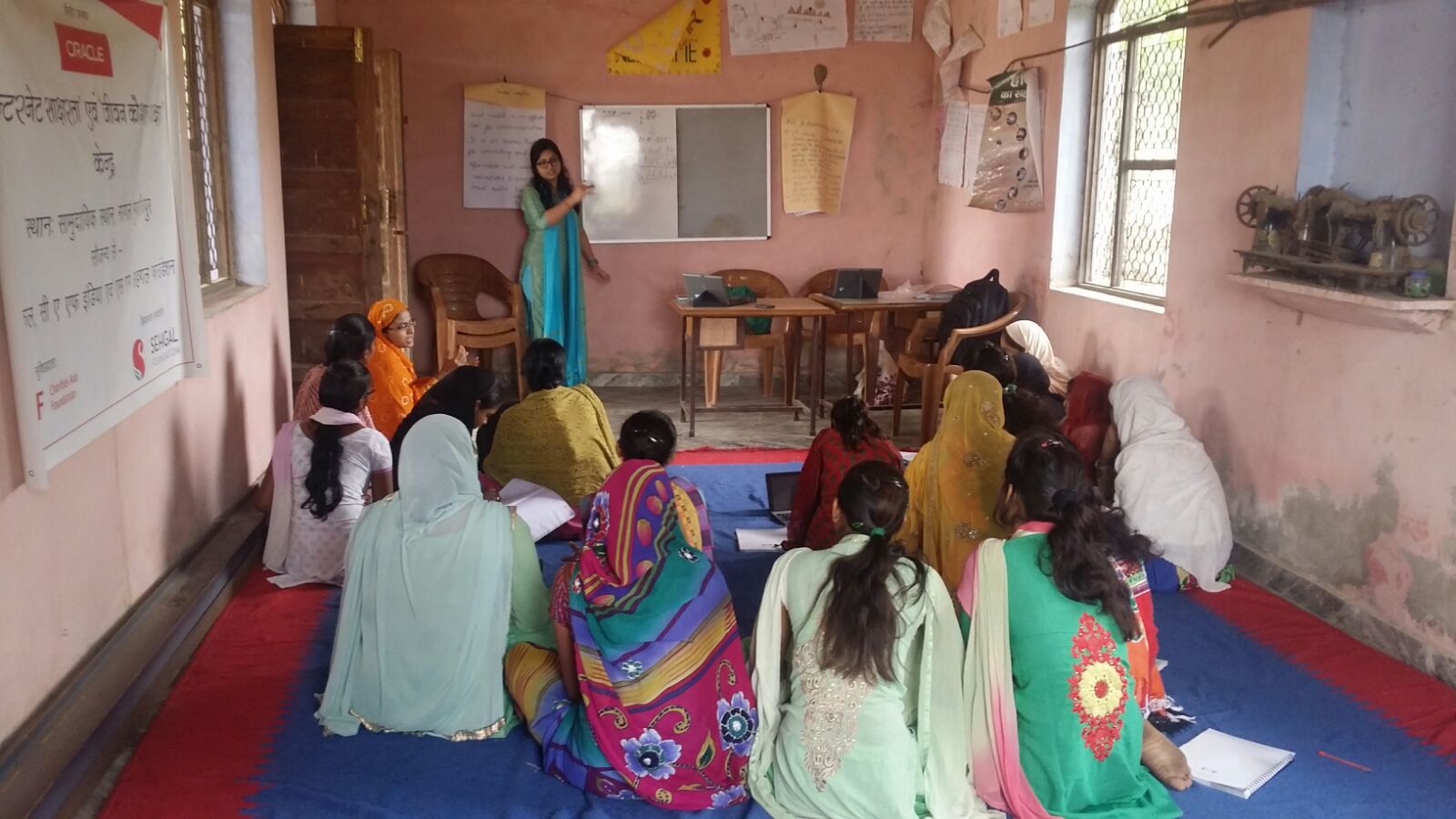
We both also got the opportunity to teach digital things to adolescent girls in Nangal village. It was a great experience talking to girls here. They were really excited to know more and more about digital things. Here, we talked about various apps as well as internet banking etc. For instance, BHIM App, USSD, Whatsapp, Facebook, Twitter etc. After telling all these things, we both were really curious to know about their dreams so we gave them the assignment to write about their dreams. It was an amazing feeling to know their dreams and aspirations. They want to study more. Some of them want to become a teacher. Most of them want to pursue a career in the medical field and become doctors or nurses. They were also complaining about financial hardships as well as the lack of availability of facilities.

We also talked about their strengths and weaknesses. Everyone was eagerly coming forward to discuss their strengths and weaknesses. One of the most important weaknesses was that all of them want to learn the English language. I request Sahgal Foundation provide some facilities for the English language for the girls living in these villages.

Visited a Primary School, Life Skills Center, and the Check Dam site

On the last day of our visit, we interacted with the women of life skills center. They were learning to stitch. When we reached there, they were so much excited to show whatever they have made recently. They were very enthusiastic about discussing their learning experiences.

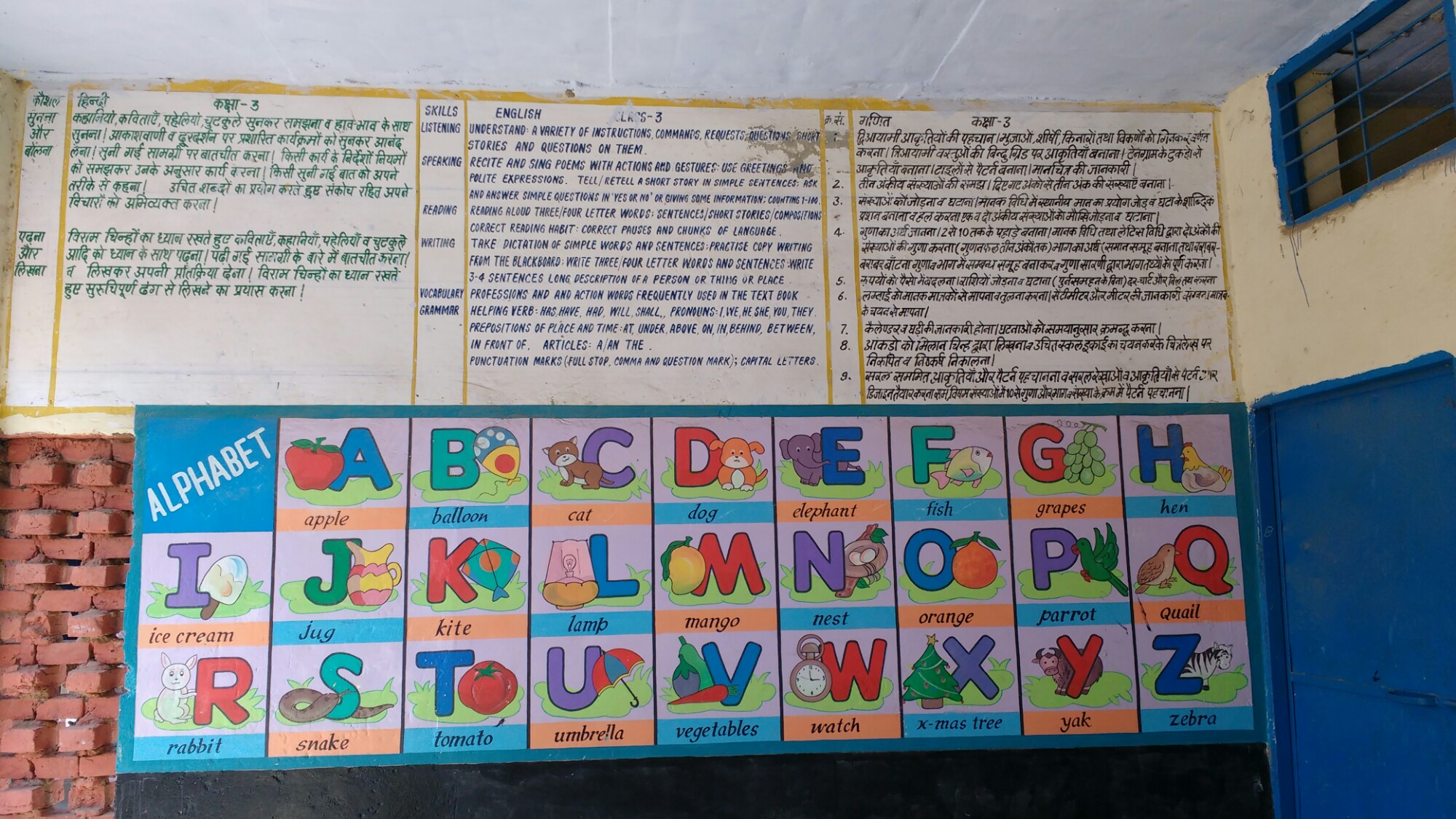
We also visited a primary school. The renovation and coloring of the building were done by Sehgal Foundation in collaboration with Mosaic Fertilizers. The school was looking bright and in fact, it was amazing to see all the graffiti on the wall of the school.

The most interesting thing was the see-saw machine. It was serving a dual purpose. Children can play on the see-saw as well as due to their playing activity the water will be pumped into the tank. It was an innovative and skillful initiative by the Foundation. It needs to be adopted in all the schools in the country.

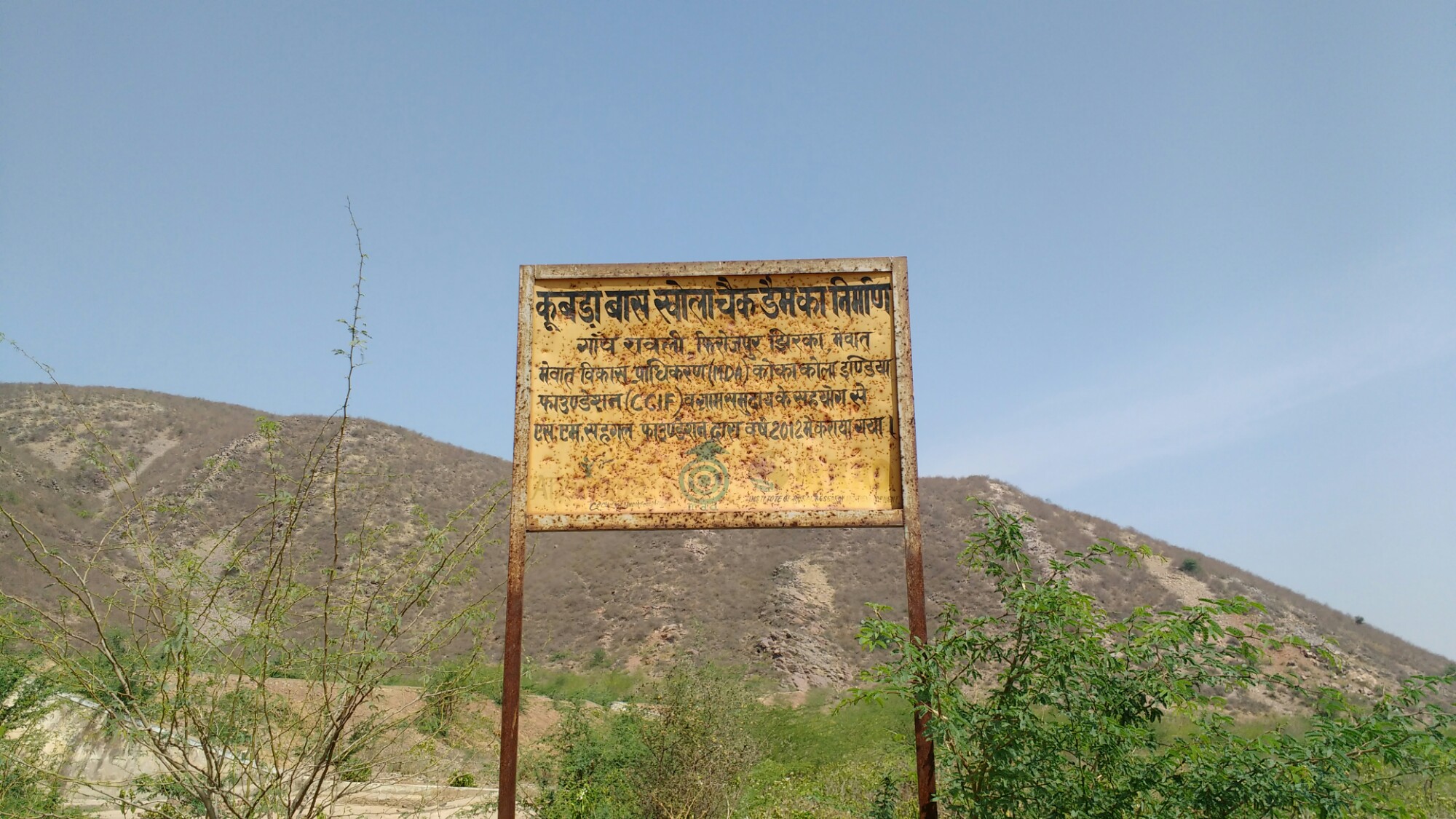
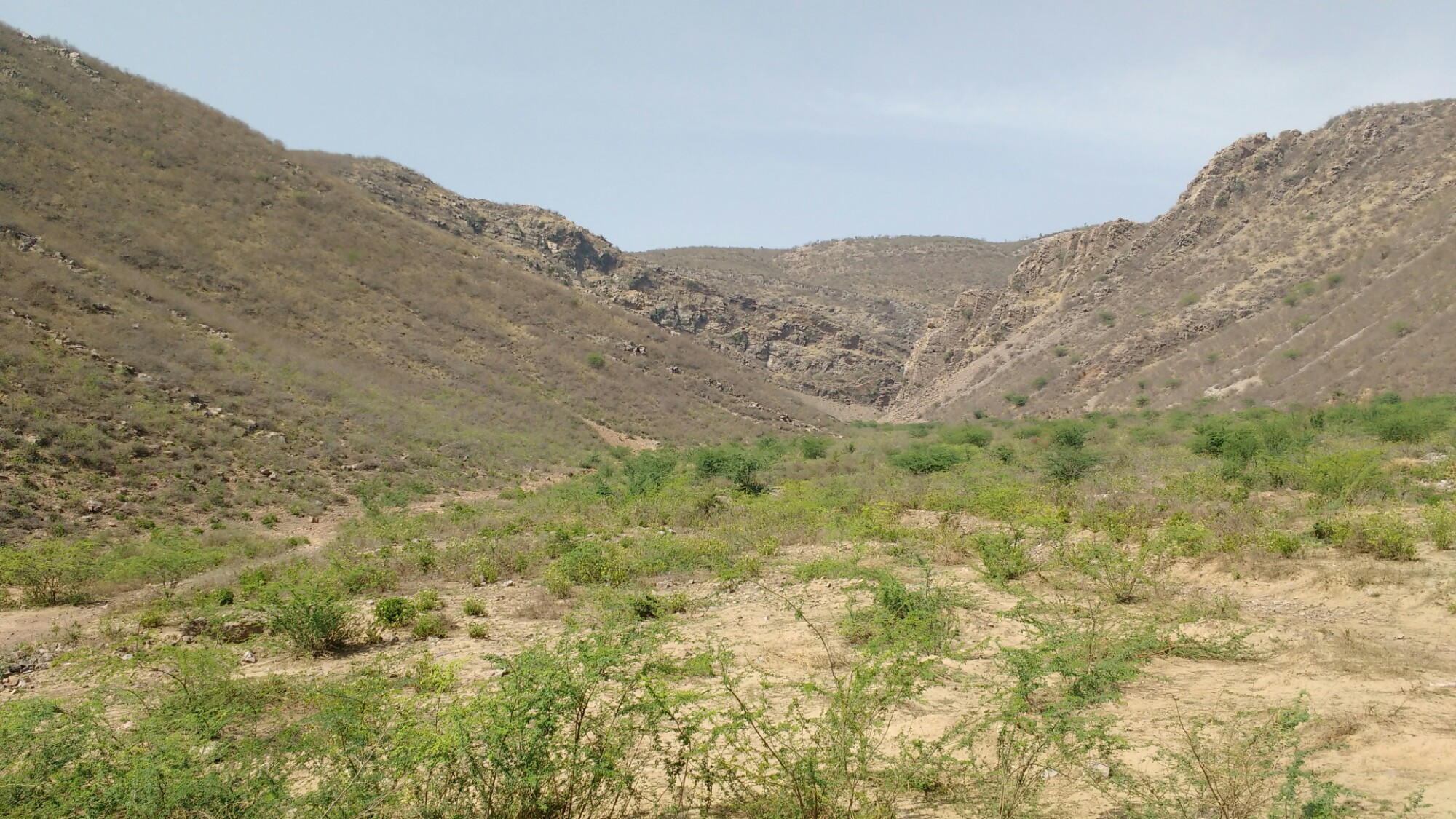
Lastly, we visited a check dam in Firozpur-Zirka block of Mewat district. It was built by Mewat Development Authority in collaboration with Coca-Cola India and SM Sehgal Foundation in 2012. This check dam has turned out to be a boon for the villagers in this area. Villagers were earlier facing severe water scarcity. As per a report, it was found that the groundwater level has increased by about 100 meters in this area. Not only this, it has also provided facilities for irrigation for agricultural purposes.

I had a great learning experience understanding the work done by the Foundation. It needs to be replicated in other areas also. I had a great conversation with Crystal Harris. She was a great human being. She was very much inclined to do whatever can be done for girls in the villages. I hope that this kind of good work will continue with great vigor for the welfare of the people in rural areas of India.

I am happy to announce that SEHGAL FOUNDATION has published my blog in their newsletter(April 2017). Please find the article here: http://www.smsfoundation.org/wp-content/uploads/MyexperienceswithSehgalFoundation_blogbyRitambharaClean1.pdf

Published
Categorized as Personal

Change of Power Structure in Tamil Nadu

J Jayalalitha died last year December after prolonged illness. It was a tragic loss for a country and for the state of Tamil Nadu. She has done a lot for the masses of the state. Tamil Nadu is one of the best performing state in India with respect to social indicators.

Tamil Nadu did not see any major disturbances in her tenure despite her controversial disproportionate assets case. However, after her demise, it seems that there has been power struggle going on in the AIADMK party as well as in the state of Tamil Nadu.

V Shasikala has finally elected as the leader of the legislative party setting the stage to become third women Chief Minister of the state of Tamil Nadu. I think that she is also responsible for the recent massive protest in the state on marina beach for Jallikattu. She has created conditions which will lead to her anointment as the powerful leader of the state.

The twist of the matter has now come into the picture. V Shasikala is co-accused in the ” disproportionate assets case” and Supreme Court has decided to listen the case from onwards. There is also an appeal in the Supreme Court regarding stopping her swearing-in ceremony. What I can say that she will survive the struggles and will dominate the politics of Tamil Nadu.

Review of An era of Darkness

After finishing this book, I can say that it is true that the British era was really an Era of Darkness for India and its people. The British government did not do anything good for us. Whatever looked promising and progressive at that time, there has been hidden agenda behind that. Their only aim  was to extract as much as they can from India. It was really not a “British” but “Brutishempire of India.

They have looted India, pushed it towards deindustrialization, impoverishment, famine and poverty. They have drained our resources to the extent that India is still not able to come out from the dreaded poverty.

They practiced the policy of ” Divide and Rule” to divide the diverse and fuzzy society of India. It ultimately led to partition of the country. Not only this, they have communalised our history. They divided us by identifying Indians through census, giving various identities to people when in India, people have multiple and complex identies. They helped in reinforcing the divisive identities among the people.

Though they were fair in skin,but they were never fair in their approach. They not only practiced extreme racism but also extreme brutality. For instance, The Jallianwalla Bagh Massacre is a grim reminder of this fact.

They have also contributed a lot in the colonization of Indian minds. They were like our ” intimate enemy” as said by various postcolonial authors. We have imbibed their ideas so much that when we oppose them, it seems that we are opposing to ourselves. We are overwhelmingly hegemonized by their ideas and beliefs that we are not able to see the dividing line. In fact, even after Independence, we have number of colonial legacies in the form of laws, attitude of bureaucracy, functioning of government etc.

However, In the last seven decades of Independence, Indians are turning their colonial legacies for their own advantages and taking the country towards prosperity and recognition. In the present time, manyIndians are established their mark and Indian has become the fastest growing economy of the world. Not only this we have become the first country to send Mars Mission in our maiden attempt. It is really astonishing that when India and its people becoming prosperous, UK is exiting European Union which is popularly known as “Brexit“. In fact, we could have progressed in different as well as better manner if British would have not colonized us for such a long time for their rapacious motives.

However, as author of the book also agrees that they were not the only who are responsible for our domination but our kings, nobles and other high class people did not stop them in effective manner to colonize us till the Indian National Movement was launched in the leadership of Mahatma Gandhi. However, here we should not forget the role played by common masses in India’s struggle for Independence.

The Mentalist

I was always fond of studying the psyche of the people. I wanted to understand why do people do something whatever they do. In fact, that is why I like the subject of Ethics under the General Studies. And I believe that is the reason I like watching detective serials and movies. For instance,  I like CID, Byomkesh Bakshy and of course the latest interest in the tv show The Mentalist. We have finished one season and more than 20 episodes in one week or so.

I really enjoyed watching this show because it stimulates my brain. It also provides me knowledge about the People’s behaviour. Most importantly, I learnt observational skills from it. The main character played by Patrick Jane (Simon Baker) is awesome. He tells about the person by observing it. In fact, what I learn from this is that we must have some understandings of other people so that we can be safe. It is so because there are all kinds of people present in our society. Some are very nice and affable. Some are crooked and pathetic. We should observe the behaviours of others to understand them because nobody can hundred percent hide oneself from others.

In the show, we were able to recognize who is the criminal before the cops can recognize. It was interesting and tied us to the situations and events. However,  there were various episodes in which we were not able to guess who is the culprit.

One more thing I wanted to understand as well as tell to others that people say that behaviors change and so people also change. However, I think that people change but not always. Sometimes people just change on surface but not in substance.

Basically, the people who commits crime are those who have troubled background and psychic problem. They are inspired the evil qualities. They don’t have faith in others. They are kind of sociopath or psychopath.

Understanding the psyche or mind which is intimately connected with the emotions of human beings is also necessary for general well being. Sometimes diseases do not exist in organs but in minds. It means that our minds have created those diseases but they don’t exist physically. In fact, that is why some people suffer from horrific diseases even after living a good life. We have also seen that many people suffering from incurable diseases get cure without any medical help. I think that the power of human mind is infinite. It can do impossible.  That is why, people become successful not because they do different things but they have strong will power and a powerful mind. Even Gandhiji has said that the ” strength comes from indomitable spirit not from the physical strength”.  Therefore we should always think positive and keep faith in one’s ability.

Supreme Court judgement on use of religion in electoral mobilisation

The Supreme Court of India has given a progressive judgement yesterday.http://www.thehindu.com/news/national/Seeking-votes-on-religious-basis-a-corrupt-act-SC/article16977220.ece/amp

In this judgement Supreme Court through majority judgement declared that canvassing votes on the basis of religion, caste, race, community, language etc will amount to “corrupt practices” and the political candidates will be disqualified. In this judgement, Supreme Court says that religion is a personal thing between  man and God. It is related with individual choice. If political parties are using religion as a tool to mobilise people in electoral process, it turns out to be mixing state with religion.

Certainly this decision is of great significance for Indian politics where these particularistic tendencies are used for larger political goals. It will try to check the polarisation of the masses on the grounds of caste, religion etc which often led to violence and arson in the society.

The court also held that secularism required the complete exclusion from public life and it is the bedrock of Indian democracy. Religion is something very personal between man and God and it has no place in secular activities like election. In fact, the intention of the court is noble. The court expects that electoral process should be free and fair.

However, it is of no denying that sections of society in India suffer from historic injustices and deprivation based on religious or caste identity. That is why the dissenting judgment given by the minority indicates towards the reality of the society. Political discourses based on these issues can be eliminated out rightly if they are looked in that perspective. In India, these identies have given salience to the groups who mobikise people for empowerment and emancipation through democratic process.

Not only this, the Supreme Court did not revisit the 1995 judgment given by former CJI J S Verma about the Hindutva. In that judgement, the Court has held that Hinduism and Hindutva are same and Hindu tva is a way of life. Candidates can’t be barred from asking votes on the ground of Hindu tva. 

It is a difficult road ahead because it is certainly necessary to look for secular grounds for political mobilisation rather that narrow identities. However, it is also to go away from the social realities of the country. In India, people still identify themselves in multiple identities. These identities have given some people a way out for group formation and subsequent demand for respect and dignity. What I think is that our electoral process will be secularised when both the citizens of the country as well as the politicians vote and demand for votes on secular grounds respectively.

Indian diplomacy in the era of flux

The year of 2016 was turned out to be defining as well as surprising year for the world leaders, policy makers as well as people of the countries. It has thrown out some unusual results which will create ground for the development of new world order. There has been profound changes happened in the last year. Starting from Britain’ s exit from the European Union,  election of Mr Donald Trump as the next US President, Russia’s intervention in Syria, China’s assertion in South China Sea as well as North Korea’ s testing of Hydrogen bomb has created uncertainty and fluidity in the world politics. In fact, in the language of S Jaishankar, India’s foreign secretary every variable is in flux. Having said that, the year of 2016 was a mixed bag for India. India, though achieved great successes bilaterally but failed to achieve any concrete results at multilateral level.

We will first look for successes and next failures and finally the upcoming challenges for Indian diplomacy.

Achievements for Indian diplomacy in the year 2016:

1. The bilateral relations with United States of America has reached to a major high point due to various high level visits and signing of strategic agreements like LEMOA. USA has declared India as a ” major defence partner” giving a boost to the enduring partnership between two countries. Our Prime Minister has also addressed the US congress.

2. The bilateral relations with West Asian countries , particularly GCC countries have also received shot in the arm due to the signing of strategic partnership with these countries in the areas of energy security, defence partnership, counter- terrorism, sharing intelligence information  etc.

3. The passed year was also important for India with respect to the relations with Afghanistan. India has successfully delivered various projects related with infrastructure and reconstruction. For instance, Salma dam, parliament building etc. India has also developed a military angle in the bilateral relations with Afghanistan. After US- Iran deal, India got the opportunity to improve relations with Iran. In this context, India has signed Chahbar agrrement,which will also help India to improve connectivity with Afghanistan as well as Central Asian countries. India also signed Asghabat agreement with Iran and other countries. It will give a major push to the  International North South Transport Corridor.

4.  India and Japan finalized the Civil Nuclear Agreement. It is the first non- NPT nation to sign this agreement with Japan. This agreement will help in the Civil Nuclear energy cooperation and development because of the Japan’ expertise in cutting edge technologies.

5. The IndiaAfrica partnership has achieved a high water mark after the India-Africa Summit 2015. In the last year there were number of high level visits from India led by our Prime Minister, President as well as Vice President to Africa to forge a greater understanding with African countries.

Failures/ Challenges faced by India in 2016:

1. India has faced most serious challenges in the neighbourhood due to cross-border terrorism       instigated, nurtured and supported by the Pakistan. The various terrorist attacks led to the deterioration of bilateral relations between the two countries. It has also poisoned India’s relations with other countries like China. The organization of   SAARC has also failed to a extent due to the intractable relations between two countries. It has suffered a major blow when five countries including India boycotted the SAARC summit in Islamabad.

2. The bilateral relations with China has also deteriorated despite receiving initial momentum due to visit of high dignitaries from both countries. China’ objections to India’s NSG bid on the grounds of procedural hurdles, technical hold on banning Pakistan based terror group chief Mzssood Azhar, developments related with Dalai Lama and other economic issues and India’ s closeness towards USA,Japan etc created strain in the bilateral relations. Most importantly, CPEC(China Pakistan Economic Corridor) part of OBOR(One Belt,One Road) has emerged as a new bottleneck between the two countries.

3. The relations with Russia was also ambiguous even after signing inter-governmental agreement for defense purposes. Russia ‘ s relations with Pakistan in military terms and support for CPEC has created resentment in the diplomatic circles of India.

4. At multilateral level also, Indian diplomacy failed to achieve anything substantial. India’s bid for permanent membership to UNSC, India’s bid for NSG membership, India’s push for Comprehensive Convention on International Terrorism etc has failed to take off. Even in BRICS summit, India’ s perception about terrorism was not accepted by Russia and China.

In the era of uncertainty and populism at the global level, India has to take significant as well as astute measures to bring about conducive climate for the fulfillment of India’ cherished aspirations. In fact, Indian diplomats should analyse the past mistakes and emerging challenges before taking further measures. There is need to take a holistic and comprehensive approach understanding the predicaments and situations of other countries. Then only, the intractable issues can be resolved and aspirations can be fulfilled.

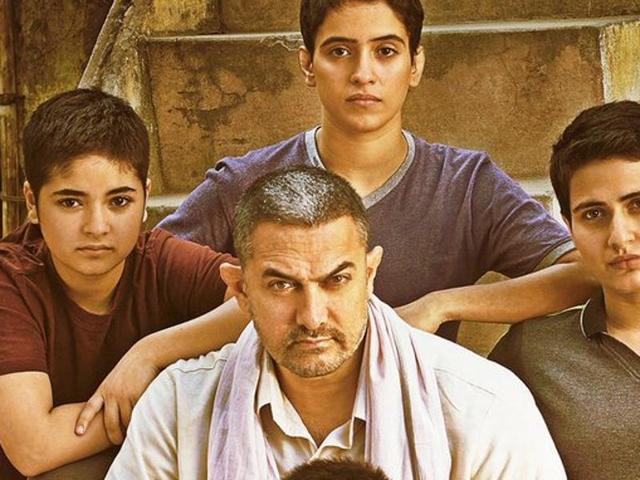
Dangal and women issues

Dangal-advance-booking

I didn’t watch the movie but I read the story in the newspaper. This movie has broken the box office record and made crores of rupees. It’s good that movies are now made on women issues. However, if we look deeply, we will find that even after highlighting women issues, a male is playing a prominent role. For instance, in Dangal, Amir Khan is playing an important role and in Pink, bachhan sahab is playing important role.

Another point, I want to highlight is that these movies based on true stories and basically on women are making more money than these real persons in their own professional life. For instance, Priyanka Chopra has made more money than Mary Kom and Haryana girls than their representation in the films.

Most importantly, I want to really highlight something more ironic that only making movies can not make much difference towards the women folk in our society. Our society has degenerated to the bottom with respect to women. In today’s Hindu newspaper( December 30), a small news was there which touched and filled me with anger and disgust. A two days old girl was found on the road rapped in some white clothes. I am really sad to see. The weather is harsh at this time of the year in Delhi.  Why do people do like this?  I don’t understand the situation of these people that they are committing such atrocious and remorseful thing to a small child. What is the mistake of that baby girl? I don’t understand when will things change?

Women are disrespected, exploited and disowned and what not from cradle to grave in India. Despite taking several legislative as well as administrative measures, there is no improvement on the ground in a substantial manner. Everywhere the tag line “Beti Bachao, Beti Padhai” is written due to the government’ s intensive efforts towards preventing female foeticide and gender discrimination. But there is need to re-examine where we are going when child sex ratio has again declined even after launching this programme.

I think that we are entering in era when we watch, celebrate and praise movies like Dangal, Pink etc sitting comfortably on our couch but in our real life  we simply don’t care about the issues related with women and when time comes about action, we simply behave like hypocrite as most of the Indians known to be.

Having said this, in my deep heart, I also feel that there has always been silver lining. Some people including male and female are changing their attitude and behaviour towards gender issues. In fact, what I think and believe is that until and unless women themselves will not fight and ask for their share, this patriarchal society will not be ready to give anything. So there is need to stand up and demand for what we are entitled to.

Please see this link to know more.

 Swachh Bharat Abhiyaan( SBA)- ek kadam swachhata ki or…

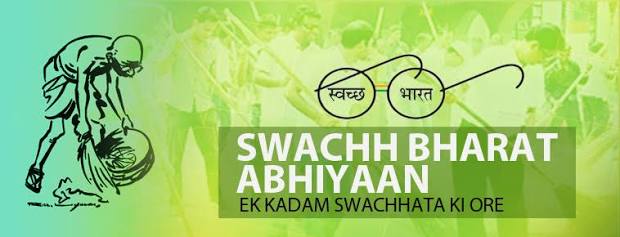
This programme was started by the government of India in 2014 to make India open defecation free(ODF) and create cleanliness and hygiene in the surroundings. This is not the first time that government has pushed for sauchalya but there were various initiatives taken by the government since independence. The recent one was Nirmal Bharat Abhiyan. It is sad to know that a large section of our country does not have the facilities for sanitation and safe drinking water. More horrible to know is that many people do not use toilets despite having it because of some behavioral and traditional belief system. Not using toilets or lack of toilets taking our country back despite higher economic growth and development. Some implications of not having toilets:

  1.  Lack of sanitation creates conditions for spreading various diseases. Most numbers newborns die due to diorrhea in India.
  2. Due to infection, children are not able to absorb the food. It leads to malnutrition.
  3.  Lack of sanitation pollutes the sources of water. It leads to various diseases. For instance- Malaria, Polio, Dengue etc
  4.  It creates a huge financial burden on the people due to excessive health expenditure.
  5. Dirty places create a bad image of India.

In fact, this is one of the most serious issues which need to be tackled at war footing. The government is trying it’s best to build individual toilets, community toilets etc but there is need of a behavioral change of the people so that they can understand the importance of cleanliness, sanitation and hygiene.

The campaign of “Yahi Asli Tariki” is a nice initiative. However, there is long way to go to change the rigid thoughts of the people of India. It should be made a people’s movement. The aware citizen should themselves come forward and take the first step to make our country clean and beautiful. Until and unless, we will not think our whole country as our own home, we will not be able to contribute.

It is proud to know that Indian civilisation is 5000 years old. Some historians say that it is older than 5000 years. And the most ironic as well as great to know that people of harrapan civilisation had fully functional toilets with a well connected drainage system. Our ancestors were using toilets so long ago but now  we forgot using it. Now the time has come to go for extra mile for everyone to make our country clean.

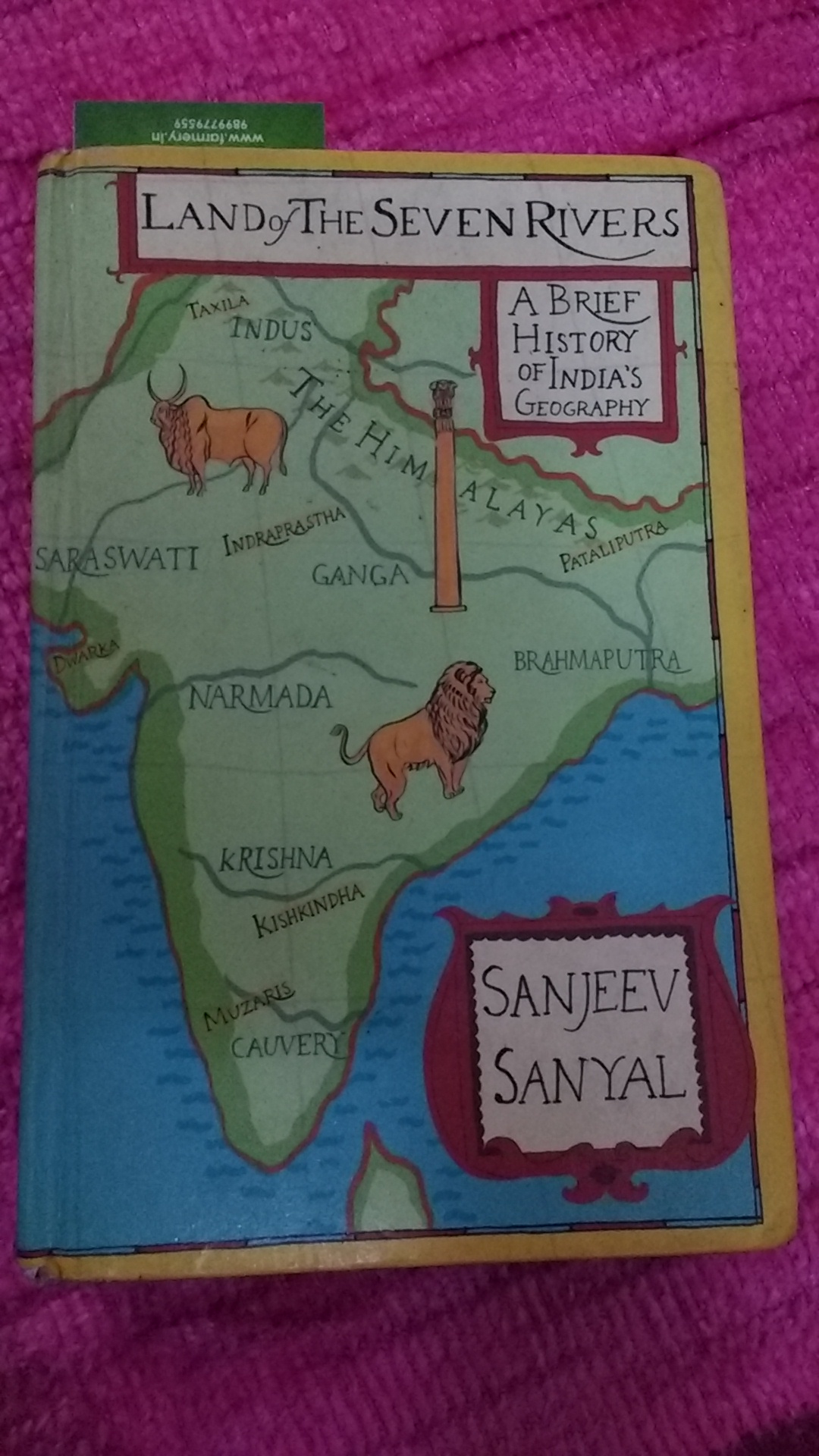
Land of the Seven Rivers by Sanjeev Sanyal

Started reading this book. I will post the review of the book after finishing the book.

Now  read almost half of the book. When I started reading this book, I didn’t know that this book is about history. I pre-judged this book by the title of the book. That is why it is said that don’t judge any book by its cover. Don’t judge any person by his outward manifestation. By the way, this book is about history from geographical point of view. He has thrown some interesting insights:

  • About the mythical sarawati. According to him, the saraswati and ghaggar were same rivers. And saraswati was one of the most revered rivers of the time.
  • Something more astonishing was that he argues that Harrapan and Vedic people were same on the basis of various factors.
  • According to him, the Harrapan civilisation declined because of the drying of River Ghaggar and other natural changes in the environment and climate including the tectonic shifts.
  • As agreed by various historians as well as archeologists, many traits of Harrapan culture have survived till today.
  • One interesting thing he also highlighted that migration in the continent was not only one sided but it was multi directional and for multi purposes.
  • And most insightful view was about lion and tiger. I never saw the history from the perspective of lions and tigers. We really studied about the Harrapan seals on which various animals were inscribed and also about Ashokan pillars full of lions. But seeing Lion as a symbol of royal power and bravery was new for me. In fact, they were important in the stories of mythical kings but if we closely observe they are still playing an important role in symbolising the civilisation values of our country through our national emblems.
  • He also says through this book that how geographical factors are important in shaping the history and culture of the people in the Indian subcontinent.
  • The mapping of India also play an important role in creating conditions for spreading the information about its prosperity.
  • He concludes his book talking about the issue of urbanisation and the most insightful for me was that his view about slums. According to him, slums are evolving ecosystem s and play an important role as routers in the urbanisation process. Slums are very much part of the dynamics of any burstling city since Harrapan civilisation. He gives example of Chandigarh and Gurgaon to explain the rigid planning excluding the poor people and the chaotic and dynamic city creating jobs respectively. Here Chandigarh is a well planned city but it has no space for poor migrants and the areas of slum. Another the city of Gurgaon,which is a dynamic city providing jobs and opportunities to the poor migrants and also create space for evolving slum areas.
  • After this he discussed about the Indian diaspora and shared civilisation identity of the people separated from long distances and time.

In fact, he has written a nice book summarising the whole history of India in few pages with personal touch.

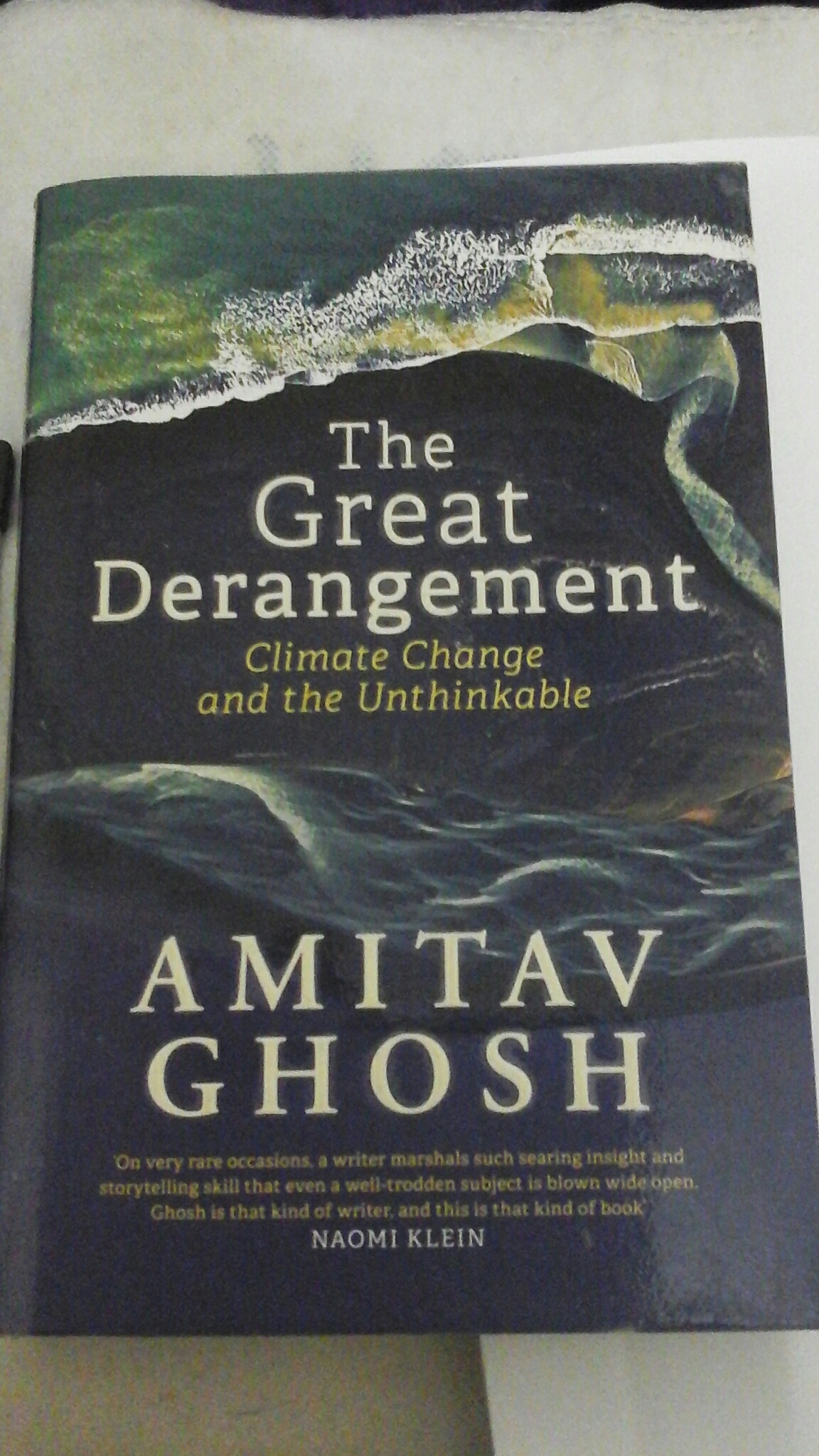
Review of The Great Derangement: Climate Change and unthinkable by Amitav Ghosh

I decided to read this book when I was studying for mains examination. I read about the concept of radical ecology in the sections related to climate justice and problems related to the environment. In this concept, authors questioned the idea of capitalism itself and argued that contemporary capitalism is the cause of today’s climate change. In fact,  Noami Klien who calls capitalism as ” disaster capitalism ” argues strongly against the greed based capitalism of western countries which is responsible for the current crisis. In the same line, Amitav Ghosh also questions the basis of an idea which is a dominant narrative in the present world. He not only pinpoints the role of capitalism but also the role of imperialism and empire building in third world countries which spread the dominant narrative to other parts of the world. I really found one interesting thing that it is the thinking like we must have cars, sea-facing bungalow etc to become modern. It is changing the thinking of the Asian people who were earlier believed in living with harmony of nature.

In fact, he also indicates that the great derangement we have built in our life. The North-South divide is a reflection as well as the cause of this problem. He also points out the role played by the artists and writers in highlighting the concerns related to climate change. The issue of climate change rarely emerges in the dominant narrative of literature or movies.

Most importantly,  he has something radical to say about the recent much celebrated Paris Climate Agreement. According to him, “Paris goal as an impossible goal that merely facilitates neo-liberal world order to enrich itself via business opportunities in renewables”. He also says beautifully that these are chains of casualty whose ends we can not see.

Demonetisation….

It was an unprecedented and surprising move by our Prime Minister on November 8th, when he declared that at the stroke of midnight Rs. 500 and Rs 1000 will not be legal tender. From that day, the impact of demonetization is still unfolding and impacting the every single life of the 125 billion population of the country. It was unprecedented because the whole demonetized currency amounted to 85-86 % currency in circulation in cash dependent economy.

let us first discuss the suddenness of the move taken by the government of India.

Was it a planned and well thought out move? The way it is unfolding and the consequences and subsequent measures taken by the government creates doubt about the well thought out planning.

Was it a measure in continuation of INCOME DECLARATION SCHEME 2016 to catch black money and corruption in the country?

Was it a political move considering so many elections coming in few months? Most importantly, the election is coming in the largest state of India in Uttar Pradesh.

What I can understand through all the events unfolding is that it was guided by all the above-discussed motives. Having said this, we can say that It was certainly pushed towards a proactive change as was witnessed in the Modi government’s various initiatives. Modi was elected by unprecedented support by the people of the country to do something concrete and bring about productive change in the society. I think that by doing this he just want to stand up to the expectation of the people.

However, now we should discuss the positive and negative as well as long and short term advantages of this move.


Positive Impacts/ Longterm impacts:

  • It will create problems for the generation of fake and counterfeit currency.
  • It will be a major blow to the criminal activities which are funded by counterfeit currency.
  • It will block the generation of black money and corruption money.
  • The inflation rate will come down because earlier too much money was chasing too few goods.
  • The prices in real estate sector will come down drastically and as per the news reports, things are settling down in a right direction.People will be able to afford houses which were earlier unaffordable due to sky rocketed prices and the dominance of unaccounted money in real estate.
  • It has created a big push to move towards cashless or less cash economy which will reduce the logistics expenses dealing with large amount of cash.
  • It will bring a large chunk of people in the banking net and thereby in the taxing net of the country, which will increase our taxGDP ratio as well as will certainly increase the financial inclusion. In this context, people can also avail other banking and financial services like loans, insurances, mutual funds etc.

Negative Impacts/ Shortterm impacts:

  • It has created lot of confusion and disturbances in the normal life of the people and specially the poor and illiterate.
  • People have got frenzied about making a queue and going to the banks for depositing the old currency notes.
  • Misuse of JAN DHAN accounts to deposit the unaccounted cash.
  • Use of Hawala traders for converting the black money into white money.
  • Lot of irregularities in the banking sector has come out at the surface.
  •  The economic activity in the country has got a hit and it is expected by the expert economists that our current GDP growth will decline. Manufacturing has contracted in December as per the PMI index.
  • It has created lot of issues in the rural areas and specially for farmers.For instance, they were not able to buy seeds, fertilisers etc for sowing rabi crops.
  • Shifting towards digital banking can also be problematic if there are not enough measures taken to check cyber crime and cyber security.

Political Impacts: Positives and Negatives:

  •  It can turn out be a disaster for the government of India if it is not managed properly and basically for the party in power when number of crucial elections are coming in the few months.
  • The whole winter session has been washed out due to the pandemonium in the parliament because of the opposition against the move of “note bandi”.
  • One of the most important taxation reforms GST which was supposed to be implemented from April 1,2017 is becoming doubtful.
  • The credibility of the government will be in doubt if the government will not take opposition in confidence for the betterment of the people of the country.
  • If government manages this transformation properly and successfully, the country as a whole will be benefitted.

I am being hopeful and positive about everything what the government is doing. But it is said that ” policy 1% and implementation accounts for 99%”. And we know for sure that how inefficient, slothful and corrupt bureaucracy we have in our country. A lot will depend on how things are implemented. India being a change-resisting society as was said by Gunnar Myrdal  in his book ASIAN DRAMA, we have a long way to go to adopt the cashless transactions and bringing the lot more people in the tax net.

Important insights from the chapter of Demonetisation from the recent Economic Survey :

Demonetisation has been a radical, unprecedented step with short term costs and long term benefits. The aim of the action was fourfold:  To curb corruption; countrtfeiting; the use of high notes for terrorist activities; and especially the accumulation of “black money“, generated by income that has not been declared to the tax authorities.It followed a series of earlier efforts to curb such illicit activities:

* Formation of Special Investigation Team (SIT)

* Black Money and Imposition of Tax Act 2015

* Benami Transactions Act 2016

* Information exchange agreement with Switzerland

* Changes in the tax treaties with Mauritius, Cyprus and Singapore

* Income Disclosure Scheme 2016

Demonetisation was aimed at signalling a regime change, emphasising the government’s determination to penalise illicit activities and the associated wealth.

India’s demonetisation is unprecedented in international economic history, in that it combined secrecy and suddenness amidst normal economic political conditions.