A time of crisis is not just a time of anxiety and worry. It gives a chance, an opportunity, to choose well or to choose badly- Desmond Tutu Image Credit: https://bit.ly/3xJ1dAC
This is 4th day of the lock down. Prime Minister Narendra Modi has declared 21 days lock down amidst corona virus pandemic all over the country starting from March 24th, 2020. The situation is quite grim. People are panic buying and many migrant workers are stranded in different parts of the country due to the unprecedented shutdown of transportation mediums.
When I sat on my desk to write this blog, India already had more than 900 cases. I have no idea, by the time, I finish this blog, how many corona virus cases will be detected in India. As per one article, India can see 30,000 Covid-19 deaths by May 2020 and there will not be any hospital beds left by June 2020.
Health has never been a priority for a diverse, heterogeneous and poor country like India. It can be ascertained with the fact that the first National Health Policy for India came in the year 1983 after 35 years of the existence of the Indian republic. Till now, we have only three National Health Policies in place released in the year 1983, 2002 and 2017.
India spends less than 2 % of GDP on health when it has 18% of the world’s population. Not only the whole country gave health a low priority but also other stakeholders. For instance- National political parties relegated the health as a non-issue when it comes to policy priorities for the development of the country.
India has a very low HDI index and high HDI rankings over the years. India was ranked 129 out of 189 countries in the 2019 Human Development Index rankings. Health(Life-expectancy at Birth) is one of the three dimensions to decide HDI rankings. HDI ranking has stagnated in recent years despite India being the fastest growing economy of the world.
The primary health care infrastructure of the country is in shambles due to lack of financing and acute shortage of medical personnel. 65% of health expenditure is out of pocket and some 57 million people are sent to poverty every year due to this expenditure. India has a severe shortage of trained medical professionals. As per the Economic Survey 2019-20, the doctor-population ratio is 1:1456 against the WHO recommendation of 1:1000. India has the largest number of malnutrition children.
The substandard performance of India’s healthcare system is out in the public amidst the corona virus outbreak. However, this crisis is an opportunity for India to make India’s healthcare system best in the world. Systematic overhauling of health infrastructure is the need of the hour. Heath as an issue needs to be prioritized. It needs to become a matter of great importance politically, economically and socially.
Politically, ‘right to health’ needs to be recognized as the fundamental right through an act of parliament. Some of India’s states have better healthcare indicators. Heath is a state subject under the Constitution of India. Best practices from different states need to be replicated across India. Panchayati Raj Institutions can play a major role in providing leadership to deal with any health crisis.
Economically, health expenditure to India’s GDP should reflect the proportion of the population living in India. The current expenditure is inadequate. The government of India must increase its expenditure at least by 5 % of its GDP from this year itself. Other measures like public-private partnership, increasing health insurance penetration etc should go on simultaneously.
Socially, awareness towards cleanliness and sanitation needs to increase in our country. Maintaining hygiene should be declared as an ‘issue of national importance’. People should also vote for those representatives who give importance to the issues of education, health, employment, etc.
This is a high time to realize the value of health as we can see, how corona virus outbreak has affected every aspect of human lives. Health is one of the most important ingredients in ‘human development approach’ Healthy human beings can only bring overall development and growth in the world.
This corona virus pandemic is an opportunity for India to create a world- class health infrastructure, strengthen public institutions, adopt best practices from other countries, increase public health expenditure by 5 % of its GDP, and declare “right to health” as a fundamental right for the people of India.
Good health for people of the country is the necessity for the overall development and growth of the country. Our constitution under Article 47 of Directive Principles of State Policy (DPSP) thrust the responsibility to the State “to raise the level of nutrition and the standard of living and to improve public health”. India has also committed to Sustainable Development Goals and SDG III aims to achieve “Good health and well-being” for everyone.
Developing an effective healthcare system and ensuring a universal healthcare system depends on the nature and quality of the medical manpower of the country. India has one doctor per one thousand seventeen hundred population, which is less than the international standards of one doctor per thousand. This ratio is even lesser in rural areas of the country. India’s medical manpower is not up to the mark due to various reasons as medical education and profession are unregulated, iniquitous and corrupt. The Parliamentary Standing Committee Report of March 2016 noted that medical education and profession in the country was at its ‘lowest ebb’ and suffering from ‘total system failure’ due to corruption and decay within MCI.
In light of this, National Medical Commission Bill was envisaged to overhaul and restructure the regulatory system for medical education and the medical profession thereby creating an institutional mechanism for the overall development of the healthcare sector in the country. The Bill was passed by parliament in 2019 replacing the archaic Indian Medical Council Act 1956. It also replaced Medical Council of India (MCI).
NMC with 25 members will regulate medical education and practice.
It will establish four autonomous boards to focus on undergraduate and postgraduate medical education, assessment, rating and ethical conduct.
Setting up of Medical Advisory Council by the Centre to act as a channel through which the States/Union Territories can convey their concerns and views to NMC.
Uniform NEET test for admission to undergraduate medical education in all medical institutions.
NEXT (National Exit Test), a common final year undergraduate examination for students graduating from medical institutions to obtain the license for the practice.
Fees of 50% of seats of private and deemed universities will be regulated.
Limited license to community healthcare providers connected with the modern medical profession to practice medicine.
ANALYSIS OF THE BILL:
The enactment of this bill is a much-needed reform to usher into a new era in the healthcare system. It will help in creating a cadre of qualified medical professionals to deal with India’s healthcare challenges. Creating a uniform standard of admission, training and regulation will help in establishing a robust framework for medical education and profession in the country. The bill will also curb the phenomenon of commercialization in medical education by regulating the fees charged by private medical colleges. Medical Advisory Council will create a platform for states to share their best practices as well as concerns to the NMC.
Criticism
against the provision of Section 32 of the bill which allows 2.5 lakh Community
Health Providers (CHP) in the villages to prescribe drugs to patients is not
fair as there are various examples of community health providers playing the
role of game-changer in improving the healthcare indicators in rural areas. In
fact, various studies have shown that poor largely seek health services from
informal service providers. For instance- ASHA[vi] workers under the National
Rural Health Mission (NRHM) played an important role in improving maternal
mortality rate and neo-natal mortality rate and similar experiences in the
state of Chhattisgarh and Assam have improved the quality of healthcare in the
rural areas of these States. Many developed and developing countries have
adopted the concept of community healthcare providers (CHPs) and mid-level
healthcare providers. In fact, India needs community healthcare providers and
mid-level healthcare providers in several forms to bridge the gaps of access
and quality of healthcare services in our country.
Conclusion:
Despite bringing a structural change in the form of overhauling the medical education system of the country through this bill, addressing the complex and multiple healthcare challenges of the country will be insurmountable in recent times due to various reasons. The public expenditure on health is still abysmally low. As per the National Health Profile[vii] 2019, India’s public expenditure on health as a percentage of GDP is far lower than Lower-Income Countries of the world. The healthcare system is poorly regulated and accessible to those who have better income level. Urban-rural imbalance in healthcare services had failed those people living in rural areas. There is a huge reliance on private sector with the help of insurance model after the launch of Ayushman Bharat[viii] to provide healthcare services and the problem is that these private players are not regulated properly. Therefore, along with the institutional reform in terms of establishing National Medical Commission, there is need to adopt a holistic approach to create a conducive climate to achieve the goal of “right to health” for the people of the country.
“Education is the most powerful weapon which you can use to change the world”. – Nelson Mandela Source of Pic: i pleaders blog
Providing free and compulsory education to children has been one of the important responsibilities of the Indian government since independence. To fulfill the responsibility of providing universal education, the government of India had taken various policy actions. Right to education became a fundamental right under Article 21A in 2002 when the Constitution was amended through the 86th Amendment Act .Consequent to this amendment, Right of Children to Free and Compulsory Education 2009 was enacted which came into force on April 1st, 2010. This Act has set an obligation on the State to provide free and compulsory education to children under the age-group of 6-14 in a neighborhood school. Sarva Shiksha Abhiyan (SSA) is the flagship program to achieve the goal of universal education. SSA is the scheme through which the RTE Act 2009 is implemented.
IMPORTANT FEATURES OF THE ACT • Section 12(1)(c) of the RTE Act mandates unaided and non-minority schools to reserve 25% seats for underprivileged children of society through a random selection process. The fees of these students would be reimbursed by the Government.
•Section 16 of the RTE Act mandates, “No child can be held back, expelled and required to pass the board examination till the completion of elementary education”. This ‘no-detention policy’ was implemented to retain the children in the schools. However, this policy was recently abolished after the enactment of Right to Free and Compulsory Education Amendment Act 2019.
•The Sections 19 of the RTE Act lays down the norms and standards of Pupil Teacher Ratios (PTRs) of 1:30, buildings and infrastructure, school working days, teacher working hours, ramps for students with disabilities, provision of drinking water and availability of playground, etc. The Act also provides the appointment of appropriately trained teachers. Norms and standards of teacher qualification and training are clearly laid down in the Act.
•The Act prohibits deployment of teachers for non-educational work, other than decennial census, elections to the local authority, state legislatures and parliament, and disaster relief.
•There is provision for the establishment of commissions to supervise the implementation of the act. All schools except private unaided schools are to be managed by School Management Committees(SMC) with 75% of parents and guardians as members.
•The Act specifies the duties and responsibilities of appropriate Governments, local authority in providing free and compulsory education, and sharing of financial and other responsibilities between the Central and State Governments.
CRITICAL ANALYSIS OF THE ACT:
The RTE Act brought improvement in the enrollment rate for the students in primary and upper primary schools. As per the ASER report 2016, enrollment reached to 96%. Enrollment for the age-group 15-16 for both boys and girls has reached to 84.7% in 2016. Enrollment trends also suggest that the gap in enrollment rate between boys and girls are consistently reducing. However, the actual data showcases the discrepancies among the states. For instance- the states of Bihar, Uttar Pradesh, and Rajasthan have seen an increase in the enrolment rate for upper primary section, but Madhya Pradesh, Assam, and West Bengal saw a significant decrease in the same time period.
Despite improvements in enrolment rates, the quality of education is dismal. As per the ASER reports released every year by Pratham, it was found that the learning outcomes of the students are poor. The quality of education is a cause of concern. For example-More than 50 % of Std V students can’t read Std II textbook or solve a basic mathematical problem. The real cause of concern is that learning deficits seen in elementary school in previous years seem to carry forward as young people move from being adolescents to young adults. This finding was reflected in the ASER 2018 report as in this study it surveyed students in the age-group of 14-18 years, unlike the last 12 years when it focused on students in elementary schools.
Not only this, drop-out rates are still very high. Almost one million children in the age group of 6-14 drop out every year. 75 % of them are from SC, ST and Muslim communities. As per the Brookings Institute Report on primary education in India, 29 percent of children drop out before completing five years of primary school and 43% before finishing upper primary school. As indicated by the report, there is also a huge difference between urban and rural education.
There has been a consistent improvement in the basic infrastructure facilities in schools. As per the report, 98% of the habitations have a primary school within one km and 92% have an upper primary school. The facilities of basic sanitation, drinking water, separate toilets for boys and girls have improved since the enactment of the Act. However, as per the District Information System of Education , only 13 percent of all schools in India have achieved full compliance with these RTE norms.
School Management Committees (SMC) are set up only on paper in various schools of the country. However, the quality of their engagement with schools is minimal, the amount of funding they receive is not enough and they are not empowered enough to exercise their duties and responsibilities.
As per the Economic Survey 2017-18, only 79% of teachers are professionally qualified to teach in schools. There is a huge dearth of trained teachers in the country. There are various issues related to teachers in schools like low accountability, poor quality of the teacher education manual, deployment of teachers for non-educational purposes and large vacancies. As per the data provided by District Information System, around 5.68 lakh positions are vacant. There has also been a major issue of teacher absenteeism. As per the World Bank Study 2010, a teacher in Indian schools is absent every four days.
The seats for disadvantaged students reserved in schools also are not filled completely. There is a huge gap among states in filling the seats for disadvantaged students. For instance- Where the State of Delhi was able to fill 92% of the seats allocated, Andhra Pradesh was able to fill only 0.2% and UP filled only 3 % seats.
The Continuous and Comprehensive Evaluation (CCE) is used for the evaluation of students under the RTE Act. However, it was found that it has not been implemented properly. Only 58.46% of the schools of the country have implemented this provision. However, the no-detention policy was removed in January 2019 after the RTE (Second Amendment) Act 2019. CCE is a pedagogical tool which does not mean the absence of evaluation but a process of continuous evaluation different from the traditional examination system.
There is a need to have systemic and structural reforms to revamp the education system in the country. The Committee on Draft National Education Policy chaired by K. Kasturirangan provided reforms proposals for RTE Act 2009 to make it more effective. India still spends less than 3 % of its GDP on education which is very low as compared to other nations. Though the goal of universal enrolment seems achievable now, there is need to focus on quality of education in the schools at primary and upper primary level. As these children are going to join the workforce and become part of demographic dividend in the near future, there is need to focus on early childhood care and education (ECCE) within the ambit of RTE Act 2009 as proposed under the Draft National Education Policy.
“Will the ‘New Government’ be able to achieve the goal of “Health for All”?
The incumbent government led by Narendra Modi got a huge mandate for his second consecutive term in the recent Lok Sabha elections 2019. The government does not have any coalition compulsions and can take any complex decisions. The compositions of the Council of Ministers (COM) and the allocations of the portfolio also reflect the focus of the government on talent and good governance. The huge mandate given to the incumbents also creates tremendous expectations. “Health will be a topmost priority of the government”, said Dr. Harsh Vardhan, Union Health Minister in his first official statement. Even Prime Minister Narendra Modi mentioned in his speech that this victory is for those poor people who wait for years to save money and also to seek treatment. Now the poor people are covered under Ayushman Bharat. In fact, now health is going to dominate the discourse of public policy in the country as it is one of the most important components in Human Capital approach. If India has to take advantage of its huge ‘demographic dividend’, it has to bring about structural transformation in the health sector to achieve the goal of “Health for All”.
During the elections, two narratives were going on with respect to achieving the goal of universal healthcare. One narrative was to make the ‘right to healthcare’ as a legal and justiciable right proposed by Indian National Congress (INC) in its manifesto and supported by various civil society organisations. Another narrative was created by the incumbent government to achieve the goal of universal health coverage via the route of insurance schemes like Ayushman Bharat. The winning of the incumbent government led by the Narendra Modi shows that the goal of achieving universal healthcare will be led through the insurance-based model. However, many health experts have criticized the insurance-based model. The argument here is that when the proper infrastructure related to healthcare facilities and personnel will not be available, how can the Auyushman Bharat scheme be able to provide quality services? The role of the private sector in the scheme is also criticized. Providing basic services like health which is indispensable for the survival of poor people should not be left to the private sector.
In the last five years, the Narendra Modi government has launched two important schemes namely Swachh Bharat Mission and National Health Protection Scheme (NHPS) also known as Ayushman Bharat to bring about substantive changes in the health sector. Swachh Bharat Mission (SBM) aims to make India ‘open defecation free’ by 2nd October 2019 which in turn will help in preventive healthcare of the country. The government also launched Ayushman Bharat on Sept 23, 2018, as the world’s largest publicly-funded health insurance scheme as a tool to achieve universal health coverage in the country. It aims to provide a Rs 5-lakh medical insurance cover to 50-crore low-income citizens. Annually, Rs 10,000 crore is the budget estimate of the scheme being touted as the biggest universal medical care program in the world. The scheme also aims to establish 1.5 lakh Health and Wellness centers to upgrade the primary healthcare infrastructure of the country. This scheme is going to solve the problem of out-of-pocket expenditure of the people. In fact, as per one report, 65 % of health expenditure is out of pocket and some 57 million people are sent to poverty every year due to this expenditure This government launched National Health Policy 2017 (NHP 2017) in its tenure. This health policy was launched after 15 years since the last policy launched. NHP 2017 aims at increasing the public health expenditure as 2.5% of the GDP gradually.
Challenges for the New government in achieving Universal HealthCoverage:
As
health is one of the most important priorities, the government of India has to
face many challenges in the coming five years to achieve the goals set in the
National Health Policy 2017. Some of the challenges are mentioned below:
The most important challenge is to change the perception of the health sector. The investment in health sector needs to be seen in a positive manner as it will play an important role in building a healthy population. This healthy population will be contributing to the overall development of the country as a working population in the future. The health expenditure as a percentage of GDP is less than 2%.
As per the National Family Health Survey-4 2015-16, less than 10% of children receive adequate nutrition in the country. The lack of proper micro and macro nutrients to children is reflected in the high incidences of malnutrition and under nutrition in the country. As per the Global Nutrition Report (GNR) of 2018, India accounts for 23.8% of the global burden of malnourished and 30% of stunted children under 5.
India has a severe shortage of medical professionals, especially in rural areas. India has only 0.62 doctors per 1000 population as opposed to the World Health Organization (WHO) standard of 1 doctor per 1000 population. 74% of all sanctioned specialist doctor positions are lying vacant in community health centers across the country, including surgeons, gynecologists, physicians and pediatricians as per theRural Health Statistics 2018.
There is also a need for institutional and regulatory reforms in the pharmaceutical and medical devices sectors as there is no exclusive ministry governing both the sectors. The pharma sector is partly governed by the Ministry of Chemicals and Fertilisers as well as Ministry of Health and Family Welfare. The Medical Devices are still governed under the Drugs and Cosmetics Act. Though the government has implemented Medical Device Rules 2017, there is still a need to enact a separate law for effective governance of medical devices industries.
There is also a lot of policy anomalies in terms of promotion of generic drugs, price control policies on drugs and medical devices, issues related to fixed drugs combinations (FDC), shortage of medical professionals and treatment of Ayush doctors with respect to the medical fraternity, etc.
The second component of Ayushman Bharat (Pradhan Mantri Jan Arogya Yojana) in terms of opening 1.5 lakh Health and Wellness Centres needs to be implemented in letter and spirit. It will give the real boost to primary healthcare infrastructure which needs to be strengthened to make the goal of “Health for All” a reality.
The government has also kept its momentum in making the country open defecation free to emphasize the role of preventive healthcare in the overall improvement of health indicators.
The challenges mentioned above should guide the policy actions of the government in the health sector. The government got a huge mandate to bring about change in the lives of the people. This term of the government will be very significant as India is at the cusp of change due to the high youth population, technological advancements, and most importantly, the country will be celebrating its 75 year of its existence in the year 2022. Not only this, the Government of India is obligated to achieve Goal 3(Good Health and wellbeing for all at all ages) of the Sustainable Development Goals(SDGs). On the face of it, the government of India has a great window of opportunity to bring about policy changes with respect to the health sector to achieve the goal of “Health for All”.
Lets’s come together to achieve the goal of “Health for All”
Human Development Index was created by the Pakistani economist Mahbub ul Haq and Amartya Sen in 1990. It is a composite index of three dimensions and four indicators -Health (Life-expectancy at birth), Education (Mean years of schooling and Expected years of schooling) and living standards (Gross National Income per capita). Countries are ranked into four tiers-Very High, High, Medium, Low and Data Unavailable. The Human Development Report 1995 of the United Nations Development Programme (UNDP) describes human development as a process of enlarging people’s choices. It “must enable all individuals to enlarge their human capabilities to the fullest and to put those capabilities to the best use in all fields- economic, social, cultural and political”.
India has been ranked 130[i] out of 189 countries in the HDR 2018. India’s HDI value for 2017 is 0.640 which put the country in the “medium human development category”. Between 1990 and 2017, India’s HDI value increased from 0.427 to 0.640 an increase of nearly 50% and an indicator of the country’s remarkable achievement in lifting millions out of poverty. Between 1990 and 2017, India’s life expectancy at birth also increased by nearly 11 years. GNI per capita increased by 266.6% between 1990 and 2017 and India’s school-age children can expect to stay in school for 4.7 years longer than in 1990. However, despite huge improvement, India still lags behind all other BRICS[ii] nations on the HDI. The UNDP report also showed that when inequality is factored in, India loses nearly 26.8% of its HDI values and falls to 0.468. It means that outcomes of human development vary substantially with respect to caste, class, and gender. For instance-HDI for men is higher than HDI for women. Historically disadvantaged groups such as Dalits and Adivasis in India, also have lower human development indexes.
The ranking of India is marginally higher than its South Asian neighbors but the country has fallen behind its neighbors on key health and quality of life indicators. India’s 2017 HDI 0.640 is also lower than average of 0.645 for countries in the medium human development category.
India has a GII (Gender Inequality Index), introduced in 2014, the value of 0.524, ranking it 127 out of 160 countries in the 2017 index. The GII can be interpreted as a loss of human development due to inequality between male and female achievements in three GII dimensions of reproductive health, empowerment, and economic activity. In India, only 11% seats of parliament are held by women. Only 39% of women have reached the secondary level of education as compared to 63.5 % of their male counterparts. Female participation in the labor market is also very low (27%) as compared to men (78.8%).
Trends in India’s HDI Rankings:
The UNDP HDR 2013 report[i] was themed as “The Rise of the South: Human Progress in a Diverse World” which concluded that sustained progress in human development has led to the rise of the south in unprecedented speed and scale. For the first time in 150 years, the combined output of the developing world’s three leading economies -Brazil, China and India- is equal to the combined GDP of the longstanding industrial powers of the north like Canada, France, Germany, Italy, UK & USA, thus demonstrating a gradual convergence across the world. It also projects that by 2050, Brazil, China and India will together account for 40% of global output.
The unprecedented achievement by India in human development was recognized and praised by UNDP reports. These are the initiatives who helped India to climb the ladder of human development:
Affirmative Action policy- Even though it has not remedied caste-based exclusions, it has had substantial positive effects. It pointed out that in 1965 for example, Dalits held fewer than 2% of senior civil service positions, but the share has grown to 11% by 2001.
Right to Education Act, 2009- It helped in universalizing the primary education in India and increasing the enrolment rate almost 90%-99%.
Mahatma Gandhi National Rural Employment Guarantee Scheme (MGNREGS) as a prime example of combining social protection with appreciative employment strategies.
National Food Security Act
Skill India,
Digital India
Make in India
JAM trinity-Jan Dhan, Aadhar and Mobile
Beti Bachao, Beti Padhao-To improve child sex ratio in 100 gender critical districts of across all states and UTs.
Stand-Up India Campaign 2016 to provide loans to women borrowers for setting up a greenfield enterprise.
Maternity Benefit Act[ii], 2017 has extended the period of paid maternity benefit from 12 weeks to 26 weeks.
India’s HDI has been increasing over the years but in recent years despite India being the fastest growing country in the world, the HDI has stagnated. There is also a caveat that there have been various changes in the methodology and continuously tweaking of indicators to measure human development. That is why many experts say that it is misleading to compare the rankings of any country over the years. There is still a long way to go to reach an adequate level of human development in the country. UNDP report also suggested various measures to improve India’s HDI.
To stop the subsidies going to the richest 20% of India’s population. It consists of six commodities and services in cooking gas, railways, power, aviation fuel, gold, kerosene and EEE tax treatment under the PPF.
There is a need to create universal access to health care. Ayushman Bharat[iii] is a path-breaking initiative of the current government. However, there is a long way to go improve the status of our primary health centers which are the backbone the whole health infrastructure. National Health Policy[iv] 2017 is also a step in the right direction.
There is a need to improve the quality of education and make the coming generation skilled enough to take advantage of ‘demographic dividend’ [v]of the country.
The gender inequality, discrimination, and violence are still rampant in our country which needs to be tackled by challenging the root of the problem-patriarchal system by changing the mindset of the people through awareness generation, sensitization of children towards gender issues since childhood by including under the school curriculum.
In fact, as per the UNDP HDR 2013, countries that have improved their HDI standing did so on account of three principal drivers: ‘a proactive developmental stage’, ‘tapping of global markets’, and ‘determined social policy and innovation’. On the face of it, Government of India should embark on a journey of the collective effort of setting developmental priorities led by inclusive development, capability approach through redistribution, social security measures and massive investment in health and education.
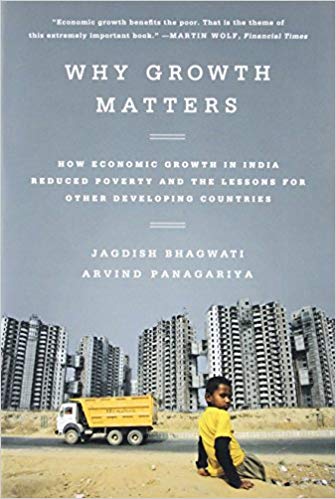
The book starts with “Tryst with Destiny speech” given by the first Prime Minister of India J. L. Nehru from the ramparts of the red fort in August 1947. This was the time when India started a new journey towards nation-building and fulfilling the aspirations of million Indians. The authors mentioned this to reinforce the idea that the ‘goal of poverty’ elimination had always been the part of India’s national strategy. The whole book gives a feel of strategy document which is divided into three parts: first is about debunking various myths related to economic growth and development of India, second talks about the Track I reforms that produce growth which has a direct impact on poverty and finally, third discusses the most important reforms in the areas of health care, education and guaranteed employment under the Track II reforms.
The authors of the book: Jagdish Bhagwati and Arvind Panagariya are the professor of economics at Columbia University. In fact, Panagariya is a protégé of Jagdish Bhagwati and he was recently appointed as the first Vice Chairman of NITI Aayog by the present BJP government. The authors of the book believe in the ideas of globalization, free trade, and especially full-fledged reforms.
In the first part of the book, the author has tried to debunk various myths- about early development strategy, inclusion of health and education, focus on redistribution to reduce poverty as compared to growth emphasising the point that the early development strategy also focussed on these goals. The authors challenged the myths about the reforms launched in 1991 and its impact on poverty reduction, farmer suicides, development of socially disadvantaged groups, the controversies surrounding poverty lines and vociferously the impact of trade and globalization on poor.
They have debunked the myth of increasing inequalities due to reforms launched in the country in 1991. The authors disapproved the “Kerala Model of Development” saying that it had a historical advantage in terms of literacy, health infrastructure, trade linkages and the dominance of the private sector. In fact, the author mentions the account of Robin Jeffrey (1992) who highlighted the key factors- matrilineal tradition, the role of various rulers, caste and religion-based groups and trade linkages with various countries which played an important role in growth and development of Kerala. The author lauded the “Gujarat Model of Development” and quashed the myth that despite high growth, Gujarat has performed poorly in health and education.
The Part II of the book talks about the Track I reform in the areas of Labor laws, Land acquisition, Infrastructure, Higher Education & Agricultural Market reforms which are aimed accelerating and sustaining growth. In fact, the recent Economic Surveys released by the Government of India discussed these critical issues which act as an impediment in the growth process. The current NDA government has launched various labor reforms like allowing fixed-term employment in all sectors, removing the arbitrary inspection system, providing EPF number portability, six-months maternity leaves to increase the female labor force participation rate, amending the apprentice law and child labor law etc. They focused on infrastructure development launching ‘Bharatmala Project’, ‘Sagarmala Project’, UDAN scheme, rural electrification, and road development. e-NAM(National Agriculture Market) and various other agricultural reforms launched to focus on doubling the farmers’ income. It has proposed the Higher Education Commission of India bill 2018 to abolish the UGC to provide more freedom and autonomy to various universities of India to reform the higher education system in India. However, according to me, there is still a long way to go in the areas of labor reforms and land acquisition act which are still archaic and create hurdles in the ease of doing business in India.
Track II reforms discussed in Part III of the book are focussed on effective and inclusive redistribution process through providing guaranteeing employment, adult nutrition, and food security, reforming health care and universalizing elementary education. However, the authors’ main idea is that “growth will act as an instrument for poverty alleviation”. It will help in creating substantial economic resources to fund the redistribution goals. As per the author’s reasoning, “Track II reforms can stand only on the shoulders of Track I reforms; without the latter, the former cannot be financed. The whole viewpoint of authors of the book can be seen in terms of “trickle-down theory” which is labeled as “pull-up growth” strategy in the book.
The authors completely disagree with the model of redistribution proposed by Amartya Sen and Jean Dreze because they think that it cannot be the answer to removing poverty in countries of India, Brazil, and China which has a huge population to cater. Under the Track II reforms, the author discussed the design of the redistribution programmes in terms of cash or kind transfers targeted or universal, public versus private provision, conditional versus unconditional transfers and recommends the strategy of policy mix consisting of targeted unconditional cash transfers for most needs, vouchers for elementary education and insurance for major illnesses with government covering the premiums. In fact, the present government implemented the idea of Direct Cash Transfers (DBT) through the help of “JAM (Jan-Dhan Aadhar Mobile) trinity” for cooking gas subsidy transfers, scholarship reimbursement etc. However, targeting any cash transfers or kind transfers is a complex task in India because of lack of identification mechanism where Aadhar can play a major role.
This book came into limelight after the whole Sen-Bhagwati debate started around 2013-2014. At the same time, Amartya Sen, the Nobel Prize winner in Economics and recipient of Bharat Ratna and Jean Dreze book, “An Uncertain Glory: India and its Contradictions” published. Amartya Sen has given the ‘idea of capability-based approach’ to human development and he argues that ‘redistribution as a strategy’ will help in the elimination of poverty. In fact, he proposes the participatory growth and broad-based development model where rights are given to the people and there is freedom and agency for the people to bring about development for them. That is why Amartya Sen praises the “Kerala Experience of development” where all the social indicators are equal to the developed countries of the world. They also emphasize and compare India’s growth story to Bangladesh which has improved the social indicators in less time duration than India. Women have played an important role in improving the social indicators of Bangladesh because of the increasing employment of women in labor-intensive manufacturing sectors like apparel, textiles etc. It also indicates that providing agency to women creates a conducive climate for improving all the social indicators not only for the present generations but also future generations.
In fact, Bhagwati and Panagariya have not even discussed the gender issues in their book which is the biggest criticism of their whole strategy of growth. India being a patriarchal society has a very low labor force participation rate which needs to be improved to make the growth more inclusive and broad-based. Another criticism of the whole strategy proposed in the book is that there should not be any dependence of Track II reforms on Track I reforms as the author consistently pitched that Track II reforms will be implemented with the help of resources generated from Track I reforms. What will happen when the Indian economy is not growing at all in a doomsday scenario? In that case, the Government of India should work on both the fronts stimulating the growth process as well as creating a sustainable and humane mechanism to support and redistribute the resources to the poorest sections of the society. However, the model proposed by Sen in terms of State-led development has not resulted in substantial achievements before India has turned towards the strategy of liberalization, privatization, and globalization.
On the face of it, choosing one strategy among the two is not the option but choosing the better strategy for the overall and inclusive development of the country will be the right option. There is no option to go back and adopt the state-led development and there is a danger in leaving everything for market forces to do. The pitfalls from both the approaches are very much visible all over the world where state-led development is almost abandoned by countries around the world and pure market fundamentalism has led to the severe crisis and unrest even in the developed world.
Therefore, India should find a “middle-path” propounded by the Gautam Buddha whereby India takes the help of globalization to unleash the animal spirit of market forces to create growth and development. Along with creating a mechanism of participatory development where every individual of the country develop its capabilities to achieve the goal of sustainable development because development is not a singular concept of infrastructure, economic growth, poverty reduction, education, and health but it is a multi-dimensional concept where there is a substantial change not only in material and physical aspects but also change in social structures, popular attitudes, and national institutions.
The idea of ‘sustainable development’ came into the limelight in the 1980s after some extreme events like ‘acid rains’ and the human disasters of the Bhopal Gas Tragedy[i] (1984), Chernobyl Nuclear Disaster [ii](1986), etc. Brundtland Commission Report titled “Our Common Future” has given the idea of sustainable development. As per the report, “Sustainable Development is the development that meets the needs of the present without compromising the ability of future generations to meet their own needs”.
The UN Sustainable Development Goals (SDGs) adopted by the international community in September 2015 under the UN Sustainable Development Summit, comprehensively cover social, economic, and environmental dimensions and build on the Millennium Development Goals (MDGs). There are 17 SDGs which have 169 targets to be achieved by 2030.
17 Sustainable Development Goals (SDGs) are given below :
No Poverty-End poverty in all its forms everywhere.
Zero Hunger-End hunger, achieve food security and improved nutrition, and promote sustainable agriculture.
Good Health and Well-Being for People– Ensure healthy lives and promote well-being for all ages.
Quality Education– Ensure inclusive and equitable quality education and promote lifelong learning opportunities for all.
Gender Equality– Achieve gender equality and empower all women and girls.
Clean Water and Sanitation– Ensure availability and sustainable management of water and sanitation for all.
Affordable and Clean Energy: Ensure access to affordable, reliable, sustainable, and modern energy for all.
Decent Work and Economic Growth: Promote sustained, inclusive, and sustainable economic growth, full and productive employment, and decent work for all.
Industry, Innovation, and Infrastructure: Build a resilient infrastructure, promote inclusive and sustainable industrialization, and foster innovation.
Reducing Inequalities: Reduce income inequality within and among countries.
Sustainable Cities and Communities: Make cities and human settlements inclusive, safe, resilient, and sustainable.
Responsible Consumption and Production: Ensure sustainable consumption and production patterns.
Climate Action: Take urgent action to combat climate change and its impacts by regulating emissions and promoting developments in renewable energy.
Life Below Water: Conserve and sustainably use the oceans, seas, and marine resources for sustainable development.
Life on Land: Protect, restore, and promote sustainable use of terrestrial ecosystems, sustainably manage forests, combat desertification, and halt and reverse land degradation and halt biodiversity loss.
Peace, Justice, and Strong Institutions: Promote peaceful and inclusive societies for sustainable development, provide access to justice for all, and build effective, accountable, and inclusive institutions at all levels.
Partnerships for the Goals: Strengthen the means of implementation and revitalize global partnerships for sustainable development.
These goals are very comprehensive and universal in nature. They are a big improvement over the MDGs because SDGs were developed after a long multi-stakeholder consultation process. However, the SDGs are also criticized due to various challenges in achieving them as well as their lack of focus on social issues:
The goals are wishful and unattainable. For instance- the eradication of poverty by 2030 will be almost impossible in the wake of low economic growth and various other issues in the conflict-ridden world. The biggest criticism came from The Economist calling SDGs ‘worse than useless’.
There is also criticism regarding the definition of “sustainable” itself. There is no precise definition of sustainable development. Even UNDP has not taken any effort to define the idea of sustainable development.
Achieving the goal of sustainability, not only in developing countries but also in the developed world will need a lot of funding. The absence of planning regarding the financing of SDGs is the biggest drawback of these goals.
There is also a lack of support for developing and poorer countries on the part of developed countries for financing and technology transfer to achieve the goal of sustainable development. For instance-
There is also a lack of political will to deal with the issue of environmental degradation and climate change in various countries of the world. For instance- Under the leadership of Mr. Trump, the USA has withdrawn from the Paris Climate Agreement.
Natural occurrences and disasters such as earthquakes, tsunamis, etc can pose a threat to sustainability.
The government’s conflict between immediate profit and investment in sustainable technologies can also derail the implementation process of SDGs.
There is no proper monitoring and ownership mechanism to measure the implementation of SDGs in various countries of the world.
Many experts also criticized the SDGs for not putting enough emphasis on social issues whilst the goals regarding the environment and economic security are extensively secured.
Challenges for India to achieve Sustainable Development Goals (SDGs):
India[iii] accounts for the largest number of people living below the international poverty line with 30% (800 million) of its population living under $1.90 a day. Pulling this massive population out of poverty will be a nearly impossible task for India without international support.
A new study[iv] estimates that implementing SDGs in India by 2030 will cost around US $14 .4 billion.
It will be a big challenge for NITI Aayog to monitor and provide innovative solutions to achieve the massive targets of SDGs.
India’s huge geographical as well as cultural diversity can also be a challenge to achieve the goals of sustainability because the needs and requirements of various regions are varied and they will need context-specific
India’s federal structure and differences among the States regarding the development indicators can also create challenges but if channelize properly in terms of “competitive federalism” can also turn into an important tool to achieve the goals of sustainable development.
In the context of India with a huge population and social challenges like massive poverty, hunger, malnutrition, acute gender discrimination, and low per capita income, these goals are nearly impossible to achieve. However, India[v] can play an important role in achieving sustainable development goals. In fact, these goals can be treated as ‘ideal goals’ which can act as a guideline for the national and international governments to measure their success in achieving inclusive and sustainable development.
Transparency and accountability are one of the most important pillars of any democracy to function in an effective manner. When India adopted the Right to Information(RTI) Act in 2005, it ushered into the era of ‘good governance”. However, achieving good governance is not a goal but it is a continuum and it needs to be supplemented by the other steps in terms of giving statutory backing to the concept of citizen charters, enacting the Rights of Citizens for Timely Delivery of Goods and Services Act and the Transparency of Rules Act. In fact, the government already introduced the bill related to the time-bound delivery of goods and services including the concept of citizen charters. However, the bill got lapsed. It needs to be reintroduced.
However, I want to talk about another issue which the Economic Survey 2017 proposed in its Volume II. I want to congratulate the former Chief Economic Adviser Arvind Subramaniam who has made the Economic Survey an intensive document by introducing many innovative ideas and principles. It’s up to the government of the day to take forward these ideas and make it a reality. The Volume II of Economic Survey 2017 introduced the idea of Transparency of Rules Act(TORA).
TORA is aimed at putting an end to the asymmetry of information, rules, and regulations imposed upon the average citizen. The act requires all government departments to display all rules affecting the citizens directly on their website. If the rule is not displayed on the website, the rule cannot be imposed upon the citizens. All rules have to be updated regularly and the history of all rules will also have to be displayed. Every department after displaying all the information related to laws, rules and regulation will become “TORA” compliant. Once a department has been declared TORA compliant, citizens can be sure that the information provided is authentic and updated.
As per the law, a person cannot take “ignorance of the law” as a defense for not complying with the law. Once TORA is implemented, any rule which is not displayed on the website of the government that applies to a citizen cannot enforce against them. This does not act as an exception to the principle of ‘ignorance of law’ but helps strengthen by holding the government accountable for not generating awareness regarding the rules and this act can help in improving transparency and accountability in the political system. If the information related to laws, rules, and regulations will be easily available, citizens will understand their legal obligations. It will finally help in reducing the number of cases due to non-compliance of the laws which happens due to the ignorance of the law.
ADVANTAGES:
When the Government of India enacts this Act and all the websites of the government of India become TORA compliant, it will bring about a radical change in the society in various ways:
It will increase the transparency and accountability in the whole legal process and the citizen trust in the legislative structure will deepen.
It will also help in decreasing the litigations which have emerged due to the ignorance of the law which leads to non-compliance.
It will also help in organizing the legal structure which is very opaque and difficult to understand for the common people.
It will decrease the discretionary power of the government officials which will check the problem of corruption and other misgivings in the decision-making process.
As per the Economic Survey, even government officials are also not aware of the ‘latest version of complicated rules’. To make the whole governance process more efficient and effective, the government must enact this law.
Most importantly, it can turn out to be one of the pillars of transparency and accountability after the enactment of Right to Information(RTI), Citizens Charter and Right of Citizens for Time Bound Delivery of Goods and Services and Redressal of their Grievances Bill.
India has still very low score in Corruption Perception Index (81/180) in 2018, Ease of Doing Business Index 2018(Rank of India-100/190) and Democracy Perception Index 2018 etc. Indian democracy is very vibrant in terms of procedures, laws, rules, and regulations. However, when we talk about substantive democracy, there is a long way to go. That is why Ramchandra Guha in his book “India After Gandhi” calls Indian democracy “fifty-fifty democracy”.
To achieve the full potential of Indian democracy, Government of India must take a step to enact the other three laws including the Transparency of Rules Act(TORA) to make our democracy full-fledged. As one paper of World Bank- “Do more Transparent Governments Govern Better?” tells us that countries with better information flow also govern better. Only freedom to get all information is not enough but it needs to be publicised with the help of TORA and make it actionable with the help of giving legal backing to citizen charters in every government institutions. When these four pillars are adopted in a proper sense, our democracy will be one of the best in terms of ensuring transparency and accountability.
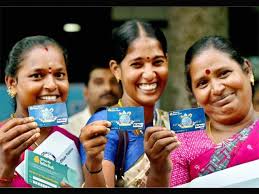
Pradhan Mantri Narendra Modi in his first Independence speech announced the major initiative of financial inclusion in the name of the Pradhan Mantri Jan Dhan Yojana(PMJDY) to mainstream the poorest of the poor to the formal economic system of the country. The scheme was launched on August 28, 2014. The Prime Minister in his emotional speech declared, “Mahatma Gandhi worked towards removing social untouchability. If we want to get rid of poverty, we have to first get rid of financial untouchability. We have to connect every person with the financial system”.
In fact, after 68 years of Independence, 42% of households do not have bank accounts and only 35 % of Indians older than 15 years had a bank account in a formal financial institution in 2012. Financial inclusion is the process where financial services and banking facilities are easily accessible to the weakest and marginalized sections of society in the remotest corner of the country. Financial inclusion is not only important in removing poverty and deprivation but also helps in the growth and development of the economy. The PMJDY scheme was launched in two phases: Phase I (August 2014-January 2015) and Phase II (August 2015 to August 2018). Initially, the target was to open 7.5 crore bank accounts in one year. As of August 16, 2017, 29.51 crores, Jan Dhan Accounts are opened in the country.
In this article, I will do the SWOT (Strengths, Weaknesses, Opportunities, and Threats) of the Pradhan Mantri Jan Dhan Yojana (PMJDY).
Strengths:
Financial mainstreaming of the poorest of the poor in the country to create inclusive growth and development. As per the PMJDY website, 99% of households now have at least one bank account.
It will help in generating higher savings for poor people. As per one study[i], the availability of bank branches positively impacts savings. As per the recent study conducted by the State Bank of India(SBI)[ii], Jan Dhan Accounts are keeping villagers sober and it might be helping in slowing rural inflation.
Account holders will get an overdraft facility of ₹5000. It can help people to start some self-employment activities which have the potential to improve their well-being and it will strengthen their decision-making abilities.
It will provide accident insurance cover of ₹1 lakh to deal with tragedies and shocks of life for poor households.
It will provide a RuPay debit card to every account holder to access the facility of cashless transactions.
Weaknesses:
As per various reports[iii], it was found that one-fifth of these Jan Dhan accounts are dormant and 79 % of the households[iv] already had a regular bank account. Therefore, dormancy and zero balance accounts are serious challenges of this scheme.
As per the data, only 1.5% of account holders have sanctioned loans and around half of the account holders did not even avail of the loan. The loan facility is provided on the basis of the discretion of bank employees which can create some biases in disbursing the loans.
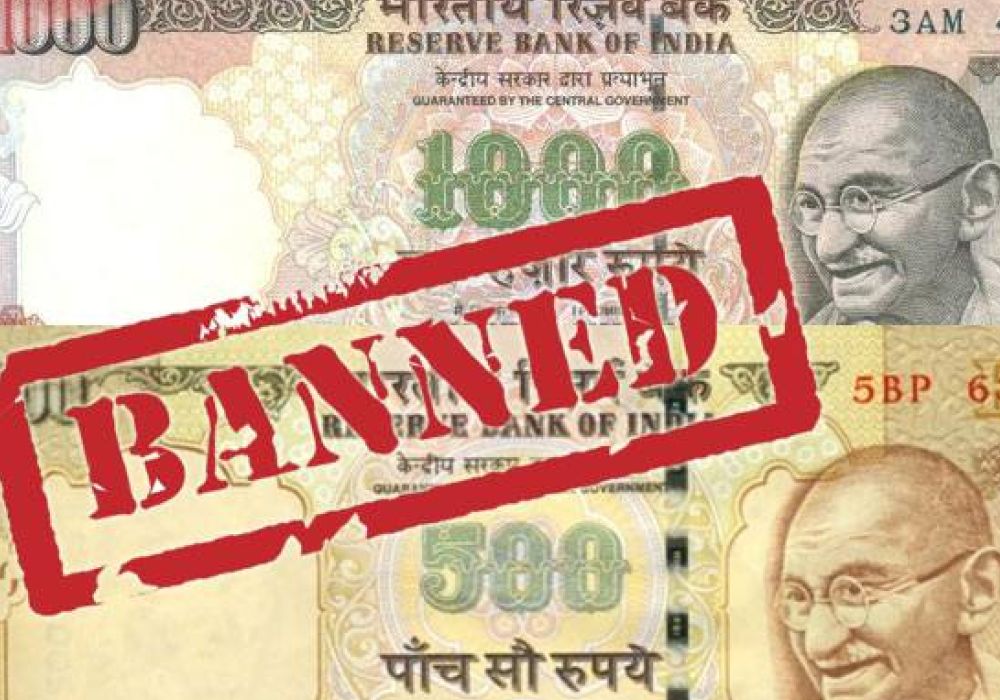
As per the RBI report[v], Jan Dhan’s accounts were misused during the demonetization process last year and a large sum was deposited to these accounts.
The absurd limit of ₹50,000 stops some poor people[vi] to receive their subsidies in the Pradhan Mantri Awas Yojana (PMAY)[vii].
Only 76% of the Jan Dhan account holders got a Rupay card[viii] and at least one in five of the issued cards remained dormant.
Opportunities:
It can help in implementing the Direct Benefit Transfer(DBT)[ix] scheme in terms of JAM trinity solution where J-Jan Dhan, A-Aadhaar, and M-Mobile. JAM[x] can usher into a radical transformation to provide social benefits directly to the bank accounts of the people, in turn, reducing hassles and massive leakages prevalent in the social-security schemes.
Digital India scheme[xi] and the government’s consistent push for Mobile banking[xii] can create a conducive climate for increasing financial inclusion. In fact, after the demonetization of high-value currencies, there is a consistent increase in digital payment.
It can be used to provide for funding facilities to vulnerable sections of the society. In fact, as per the Gates Foundation Report[xiii], it helped in financially empowering the women and marginalized sections of the society.
MUDRA yojana[xiv] and Stand-Up India[xv] scheme can create opportunities for Jan Dhan Yojana to create business opportunities by providing funding to the ‘unfunded’ as well as ‘unbanked’ sections of the society.
It can help in increasing the ‘financial literacy’ in the country which will help in increasing the penetration of various financial services like insurance, loans, investment options etc. to far-flung areas of the country.
Threats:
The first and most obvious threat can come from the next government which comes into power if it is not BJP. They might scrap the whole scheme on various grounds.
Sustainability of these accounts in serving the long-term interests of providing financial services to the poorest sections of the society when they are not provided with gainful employment opportunities or the other ways of generating income.
Recently Supreme Court of India has given its verdict in the Aadhar case and provided “the Right to Privacy”[xvi] to every individual in the country. On the face of it, linking bank accounts with Aadhar number can create hurdles for the scheme in providing direct benefit transfer.
Misuse of these Jan Dhan accounts and RuPay cards will always be a threat to this program of the government. Due to this, a number of Jan Dhan accounts were closed during demonetization because of their suspicious activities[xvii].
The overdraft facility and insurance scheme can also increase the NPA (Non-performing Assets) of the Banks who are already stressed due to stalled projects of the private and public sectors.
The Pradhan Mantri Jan Dhan Yojana is the game-changer[xviii] scheme of the NDA (National Democratic Alliance) to create a medium to mainstream the poorest of the poor of the country so that an era of social-transformation can be ushered in our country. The use of these accounts to transfer the cash benefits to the beneficiaries’ accounts can turn into a panacea to all the ills which are plaguing the social security schemes of the government. However, after three years of the scheme, the government should also focus on addressing the challenges[xix] emanating from the schemes.
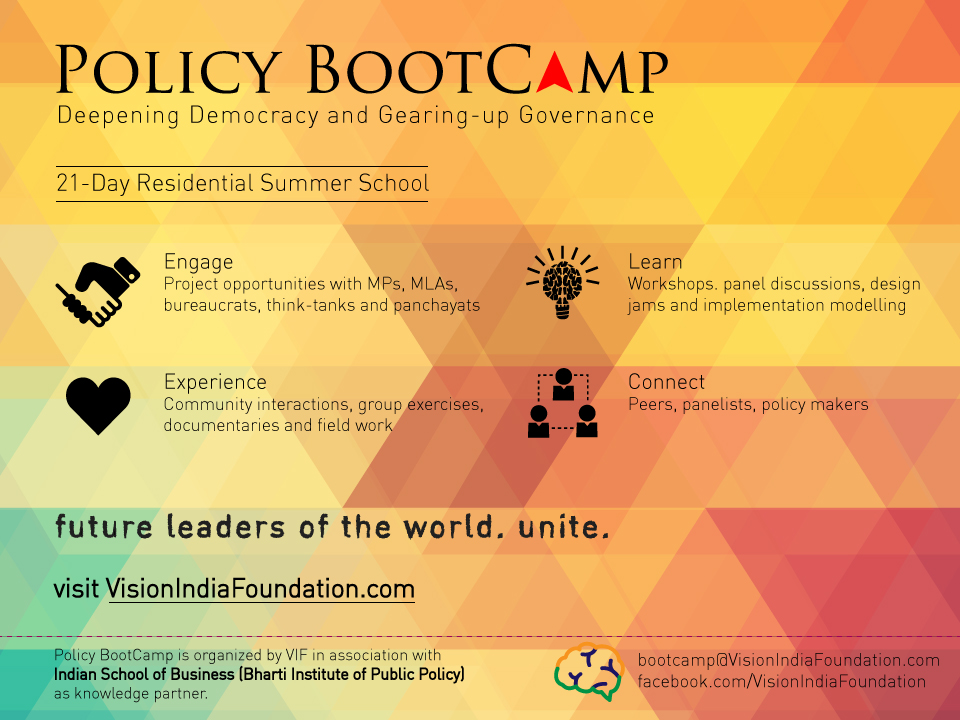
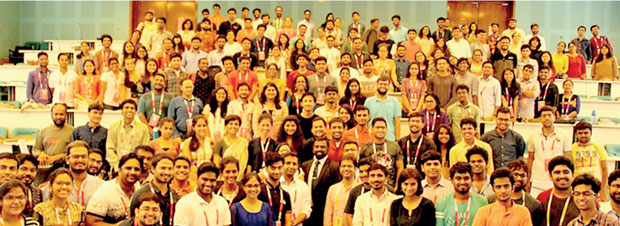
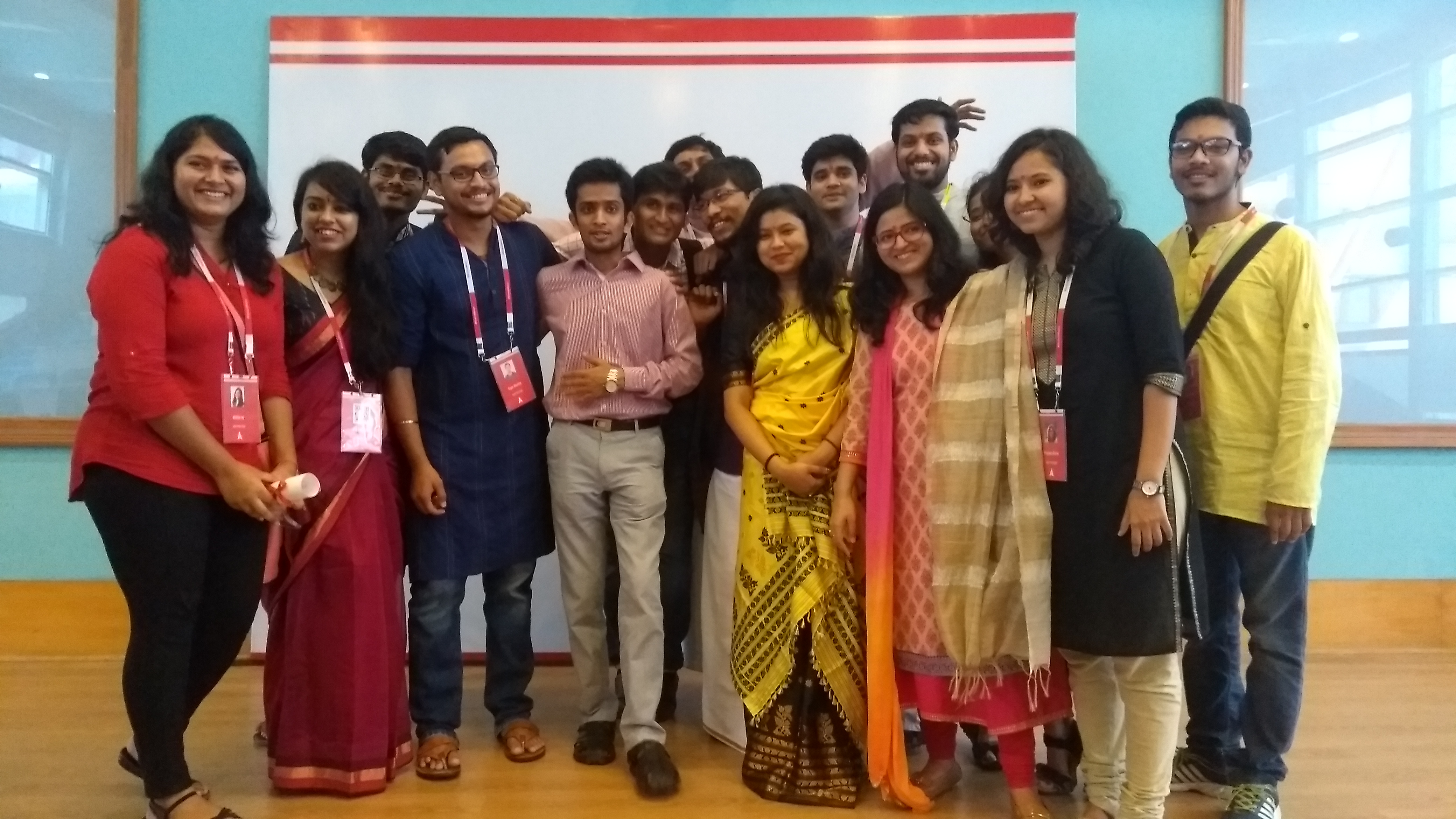
We had an amazing start of the Policy Boot Camp. There are so many good expereinces to share. Meeting a diverse crowd from all parts of the country, renowned speakers sharing their experiences and knowledge to us. These 21 days of knowledge and experience will take more than a year to assimilate in my system.
Every speaker was unique in its approach and they shared their life time experiences in a short duration lecture. After listening to all stakeholders of policy processes, it made me realise that we need to understand any issue comprehensively and sensitively before giving any comment on that.
Every single day from June 3rd to June 23rd, every single delegate from various parts of the country was in hurry to attend the lectures of speakers. We had really inspiring peers during the Boot Camp. All the delegates were so passionate about the issues discussed there that they will start the discussion on Whats-app group itself. Then after, there was a “Reflection Class”. It was the best part of the Boot Camp. There were four classrooms: Vikramshila, Takshashila, Valabhi and Nalanda. I was part of the Vikramshila class moderated by Shobhit Mathur. Every single day, we had heated exchange of views. It was a great experience witnessing young minds debating about national issues with such a huge interest and enthusiasm.
I really liked the idea of reflection class. Reflection about the discussion in a group gave me a realization how you can see an issue with a multi-dimensional perspective. Every single delegate had unique ideas, views and opinions to express.
It was predicted by various authors and researchers at the time of India’s independence, India as a nation will not survive. But India has survived and now It is thriving economy and a vibrant democracy. The idea of ” Unity in Diversity” and ” Vasudhaiva Kutumbkam” is responsible for India’s growth as a nation. I was aware about this idea but I never witnessed it in my life except in the Boot Camp. In the Boot Camp, we had lot of heated discussion, arguments etc. Even after, we sat together to have breakfast, lunch, dinner as well as we helped each other. We laughed, cried, played together. Differences in ideologies were not visible outside the classroom. That is why, My India has survived and It will thrive till the end of this universe.
Every single day was full of special memories and stories. Two days, we traveled to Teen Murthi Bhavan for other lectures. Bus journey was really interesting. I got opportunity to talk to various delegates and volunteers. I found that everyone has a story to tell.
One day, we also traveled to a nearby village just to explore and understand what is happening there. It was also very enlightening visit. We talked to villagers, children, working women in Food Processing Industries, owner of the Factory. Interaction with them taught us the gap between theory and practical, policy and outcome.
I can never forget one delegate of the bootcamp who was who was visually challenged. His name is Rahul. He is a civil services aspirant. The last day when he spoke about his experiences, every single delegate gave him standing ovation. It was a breathtaking experience for me. In fact, all those 150 delegates were amazing. It is very difficult and impossible to write about all the delegates.
I am also not able to forget the moment when we all stand up for first, Srilanka’s national anthem and after that India’s national anthem. It was an incredible moment of my life. How much love the people of both countries have for each other? This should set an example for peace and cooperation among all the nations. Mutual respect and love for each other’s national symbols should become a cornerstone for all the bilateral and international relations.
The most important thing which I learned here, is that a single person without any resources or wealth can make a great difference in the lives of others. Only we need courage and willpower. Start with the small thing and it will eventually become a big movement.
Last but not the least, many delegates and volunteers have touched the chord of my heart. I will never ever be able to forget these co-delegates
In the last, I can say that Be the change and make the change.
“Public Policy is whatever government choose to do or not do”
Thomas R. Dye (Political Scientist)
I got this interesting opportunity to listen to the lectures of Dr. Rakesh Chakravarti and Kaushiki Sanyal (Authors of this book) during the Policy Boot Camp 2017 where this book was part of our reading materials. This book is quite short and interesting as it talks about the origin and processes of policy making in a few pages. Every public policy enthusiast read this book before venturing into the complex field of public policy.
In these few pages, this book answered all intrigued questions related to public policy. For instance: What is public policy? What is the origin of public policy? How can we contribute to policy making? What are the institutions which provide degrees in this area? What are the stages of policymaking exercises? When did public policy as a discipline become popular in India? It touches almost most of the aspects of the policy making and encourages us to read more about the issues in the domain of public policy. And this book is quite significant for Indian policy students as it has been written in the context of current issues dominating in the social space of the country. It talks about the nirbhya rape case as well as public transport revolution created by Delhi metro.
The authors have tried to trace the history of public policymaking starting from HaroldLasswell‘s basic definition of public policy as ‘whogetswhat,when and how‘asthestartingpointforthisexistence.They also discussed in detail the transformation of Bihar in the leadership of Nitish Kumar emphasizing that a great leadership can bring about substantial changes in a short span of time.
They talked about the challenges of policy implementation and evaluation. The ideas of RandomisedControlTrial(RCT) and the differenceindifference principle as methods for effective implementation of public policies were explored in the book.
They tried to tell the policymakers of the country not to be dogmatic so that they can adopt various perspectives from around the world in the policymaking process. In the last pages of the book, the authors provided various innovative solutions to overcome various challenges to policy making, implementation, and evaluation. They tell you, how to broad-base policy-making, how to increase legislative capability, and how to evaluate policies in a better manner so that we can develop better policies.
I would recommend this book to all current and future policy makers so that they can understand the nitty-gritty of policy making in just a few pages.
In this case study, there was a group where we have to play different roles like someone was playing a representative of the private sector, another three people were playing the role of local government and another was a representative of the government. So, it was a great learning experience and realization towards the complexity of public policy making, implementation, and its challenges:
The first time in my life, I realized how difficult it is to bring about consensus on any one particular issue. It is very difficult to satisfy the aspirations of each person in the group.
I was acting as a representative of the government and I had to mediate between private sector representatives and local government representatives.
When the discussions were going on, suddenly one of the local representatives went outside the room saying that he didn’t agree with the proposals. This showed the kind of emotions someone goes through when it comes to your self-interest.
At last, we somehow reached a deal but I think that I, as a government representative, gave more concessions than it was required.
I don’t know if I acted in a good sense or not? Even so, it was quite insightful and an eye-opening exercise that provided an interesting experience of nuances of policymaking. Convincing and negotiating with others when their self-interest is involved is a very difficult issue. We keep on criticizing our leaders, bureaucrats, policymakers, teachers, etc., but we never put ourselves into their shoes to understand their constraints and challenges.
This book was difficult for me because I never read this kind of book before. The title of the book conveys the main idea of the book. Nudge can create a sustained push for not only changing the humanbehavior towards everything but also help in various policymatters.
RichardThaler, the writer has provided various examples to prove his theory. In fact, after reading these ideas, we can also realize those things after a keen observation in our personal life.
The most recent and important example can be remembered in the context of India is the issue of prohibition. Supreme Court of India has banned the shops from serving liquor if they are located within a 500m distance of national highway. Various state governments have also banned liquor in their state. Bihar is the recent example. Here, the question is: Will banning any substance solve the real issue? Will it really solve the issue of drunken driving? It was always found that banning/ restrictions have failed miserably to solve any problem. Here we need an innovative form of pushes in the form of nudges as described in the book. Why not the government should start an innovative campaign of information dissemination regarding prohibition. For instance, popularize the information that spending on alcohol can be used for other productive purposes like buying a house or a vehicle. There is need to create a feedback mechanism to make the people realize about their choices. For example, banning junk food will not solve the problem of obesity but providing the fresh fruits, vegetables at a reasonable rate to the public will create a powerful nudge. Make eating fresh fruits as a fashion statement. It is really happening nowadays for organic foods.
This book has provided various concepts: Libertarian Paternalism, Choice Architect, Default options etc. These concepts decide the choices we make in our life. Our parents, governments act as a choice architecture which provides us various options to choose in our life. Why not provide good choices to the people so that there is no need to ban anything.
In fact, I found something very interesting in this book regarding how we think and why we choose bad options despite knowing that they are not good for our well being:
Because we use our automatic system to think which is effortless and uncontrolled.
We generally do not use our reflective system which is rational and controlled.
The most prominent example is of Voters who seem to rely primarily on the automatic system. They just go by the pictures or possibilities that who is going to win.
We follow guesses, rulesof thumb, behave in overconfidence, work in the spirit of unrealistic optimism and more worried about losses than gains. Not only this, the status quo bias also hurts our choices.
We are not able to resist temptation and sometimes act mindlessly. For example, eating is one of the most mindless activities we do in our life despite knowing that it affects our health, well being and overall life. But we don’t care whatever garbage comes in front of our eyes, we just grab on that because of lack of self-control.
Sometimes, we also behave in that manner due to social influences.
So, the issue is how to solve these issues: There is need to NUDGE people towards good choices. And the writer has provided six principles:
Incentives
Understand Mappings
Defaults
Give Feedback
Expect Error
Structure Complex Choices
The policymakers, as well as people at the helm, should provide incentives to the people to follow rules. The recent example, I can remember about providing various prizes under DIGI DHAN MELA programme of Government of India to make India digital.
The default options are very powerful and ubiquitous. People generally do not change the default options. So why not make good choices as default so that number of people can follow it. The writer discusses this option so many times. For instance, if we want to save money, why not deduct the amount from the salary automatically. In fact, the saving and insurance ideas of today are mostly based on this concept. In fact, he has highlighted the concept of SAVE MORE TOMORROW.
Providing feedback is also a good option. If we provide feedback to the people in comparison to others, they tend to improve their situation. This also works in cases of comparison.
The writer has written this book analyzing the policies prevailing in the USA. However, the basic idea of nudge can be used in India’s various public policies. In fact, the campaign of Texas-DON’T MESS WITH TEXAS was very successful in reducing littering in the city. It can be adopted in India in various manners. For instance- DON’T MESS WITH DELHI.
The writer also discusses various objections to the idea of LIBERTARIAN PATERNALISM.
In fact, the book is a good read for future as well as present policymakers who really want to provide good choices to the people to make their life better.
Just now, I found a very interesting implementation of this idea by the UK government. The UK government has a “NUDGE UNIT” in the name of BEHAVIORAL INSIGHTS TEAM. This organization was set up to popularize “nudge theory”, which is a combination of behavioral economics and psychology. It is helping the government to improve policy options and bring about change in the behavior of the people.






 Please find important links: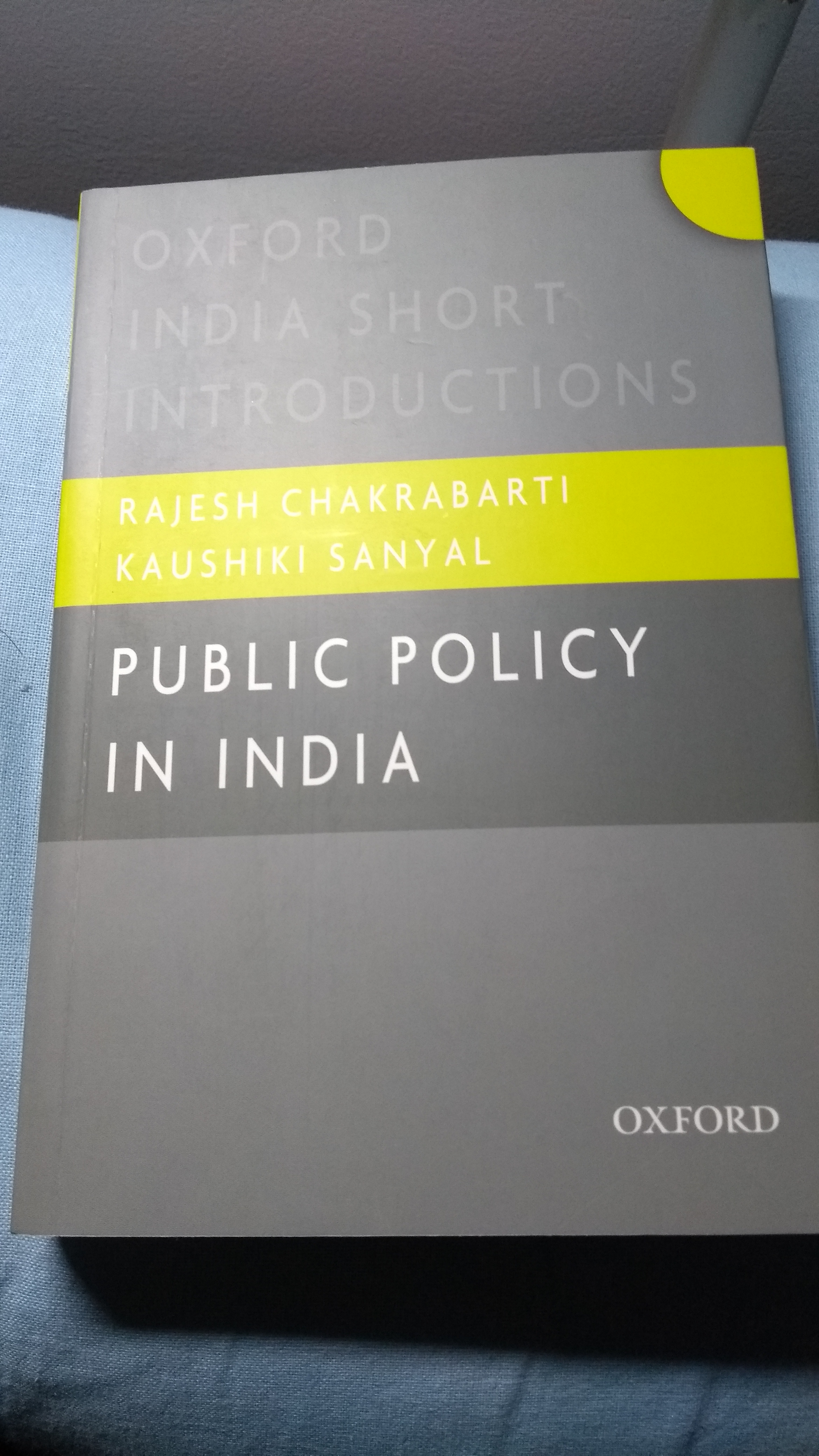

 Policy Wise